Blue Star Properties and 16 on Center, the hospitality group that runs the popular Salt Shed music venue at 1357 N. Elston Ave., have submitted a zoning application to the City of Chicago to develop the adjacent vacant riverfront parcels at 1401‑1459 N. Magnolia Ave. The four lots, totaling about 10.5 acres, sit between Blackhawk and Le Moyne streets on Goose Island.
Proposed layout and amenities
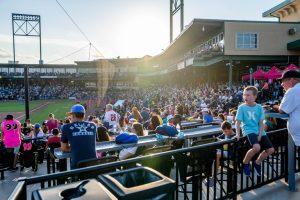
The plan calls for a new outdoor amphitheater that could accommodate up to 15,000 guests, a plaza where West Blackhawk Street currently runs (the street is closed during Salt Shed events for safety), and a bar that would link the existing Salt Shed, the Goose Island Beer Co. brewpub, and the new venue. The amphitheater would feature three seating sections, a general‑admission standing area, and a VIP section closer to the stage.
Additional facilities include an artist dressing room and green room, a loading dock, a production‑facility space, restrooms, and more than 80 parking spaces located behind the new structures near Le Moyne. Renderings also show a possible restaurant, office space and other commercial uses that could be added later, following the pattern of nearby warehouse‑to‑retail conversions.
Economic impact and community benefits
Bruce Finkelman, managing partner for 16 on Center, said the expansion is still in the early planning stages and that the group has not yet purchased the property. He emphasized that the zoning request is the first step in assessing feasibility and working with city departments to ensure the project proceeds “in the best manner.”
Finkelman estimates the development could cost between $60 million and $70 million. He noted that city subsidies might be explored as a financing option. The owners also pledged to maintain a riverside trail with native plantings and to provide public river access that would be closed only on concert days.
Regulatory hurdles
Because the parcels are currently zoned for industrial use, the developers will need to upgrade sewer and water infrastructure, rebuild seawalls, and comply with regulations protecting the Chicago River habitat. The proposal must be reviewed by the City’s Plan Commission, which oversees larger development projects. No hearing date has been set yet.
Local officials have not yet commented on the application, but the project reflects a broader trend of converting former industrial sites along the Chicago River into cultural and commercial destinations.
Next steps
The developers say they are “looking at every aspect” of the project, from design details to financing, before moving forward. Community members and stakeholders will have the opportunity to weigh in during the Plan Commission hearing once it is scheduled.
Original reporting: Block Club Chicago — read the source article.