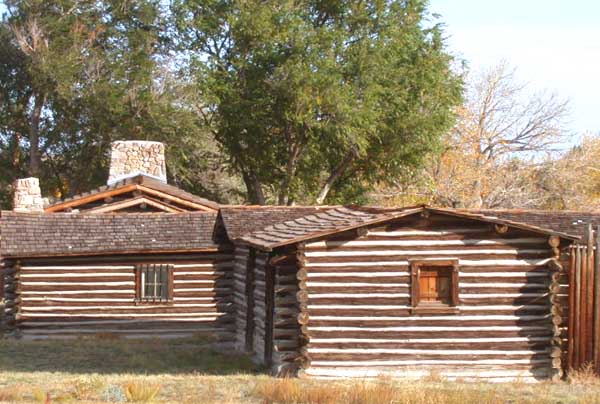
There are history museums, and then there are living, breathing time machines. Fort Caspar Museum, tucked along the banks of the North Platte River on the west side of Casper, falls firmly into the second category. From the moment you pull into the parking lot and spot the reconstructed 1860s military post standing against a wide Wyoming sky, you know you are somewhere genuinely worth your time.
The original Fort Caspar — yes, spelled differently than the city — was a critical crossing point on the Oregon, California, and Mormon trails. Hundreds of thousands of emigrants passed through this exact stretch of river, and the fort itself became a flashpoint during the Platte Bridge Battle of 1865, one of the most significant conflicts of the Indian Wars era on the northern plains. That kind of history does not gather dust here. It gets reconstructed, interpreted, and presented with real care.
Walk through the reconstructed fort buildings and you immediately feel the scale of what life looked like for soldiers and travelers in the mid-19th century. The quarters are spare and honest — no romanticized Hollywood version of frontier life. Log walls, iron stoves, rough-hewn furniture. It prompts genuine reflection on the courage and hardship baked into westward expansion, and on the complex, often painful history between settlers and the Indigenous peoples whose land this was.
Inside the main museum building, the exhibits are thoughtfully curated and surprisingly deep. You will find artifacts tied to the emigrant trail era, detailed accounts of the Platte Bridge Station, and context about Casper’s growth from a river crossing into a full-fledged city. The interpretive panels never talk down to visitors, and the staff — many of them passionate local historians — are the kind of people who will happily spend twenty minutes answering your questions and send you off with three more things to look into.
Summer is a particularly good time to visit. The museum hosts living history demonstrations on the fort grounds, where volunteers in period dress bring the 1860s to life in a way that connects especially well with younger visitors. Watching a blacksmith work or hearing a first-person account of a trail crossing is a completely different experience than reading a placard.
Admission is free, which somehow makes the whole thing feel even more generous. The museum sits within the larger Fort Caspar Historic District along the river, so plan to spend time walking the grounds after your visit. Bring a picnic. Watch the North Platte move past. Consider what it meant to stand here 160 years ago, looking west, wondering what came next.
Fort Caspar Museum is located at 4001 Fort Caspar Road. It is open Monday through Saturday, with limited Sunday hours depending on the season. Check the City of Casper website for current hours and event listings before you go.