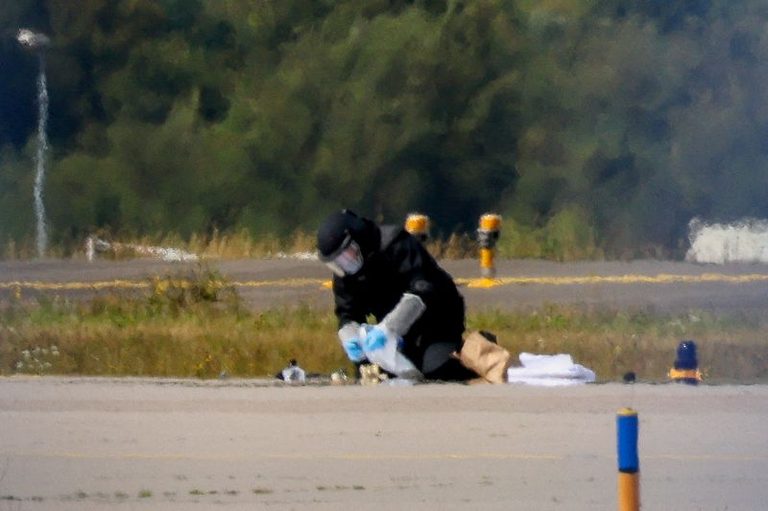
In a swift retaliatory move, Russian Foreign Minister Sergei Lavrov said Moscow will close the German Goethe‑Institut cultural centers in Moscow, St. Petersburg and Yekaterinburg. The decision comes after Germany blamed Russia for a drone incident at Leipzig/Halle Airport and subsequently ordered the Russian cultural center in Berlin to cease operations.
Background to the diplomatic spat
Germany’s response to the alleged drone incident included the closure of the Russian cultural center in Berlin and the shutdown of a Russian consulate in Bonn. President Vladimir Putin accused Germany of planting evidence to shift blame onto Moscow, a claim that heightened tensions between the two NATO allies.
Lavrov’s statement
Lavrov told state news agency TASS that the German move was “deliberate” and that Russia could not ignore the provocation. He warned that the closure of the Goethe‑Institut locations marks the end of Germany’s cultural presence in Russia. “They could not have failed to understand the consequences of their step,” Lavrov said, adding that the institutes had remained open despite “all the Ukrainian complications in our relations with the West.”
Historical context
The first Goethe‑Institut opened in Moscow in 1992, shortly after the Soviet Union dissolved, serving as a bridge for German language and culture. Russia has previously responded to cultural disputes with reciprocal actions, such as the 2018 shutdown of the British Council following a diplomatic row with the United Kingdom.
Potential next steps
Lavrov’s deputy, Alexander Grushko, warned that Russia would retaliate “very soon” for the closure of the Bonn consulate, suggesting further diplomatic or cultural measures could be on the horizon.
Implications for cultural exchange
The closure of the Goethe‑Institut centers removes a key venue for German language instruction, cultural events, and academic collaboration in Russia’s three largest cities. For Russian citizens interested in German studies, the loss may limit access to resources and exchange programs that have traditionally fostered mutual understanding.
While the immediate impact is symbolic, the broader fallout could affect other cultural institutions and bilateral programs, potentially prompting both sides to reassess the role of cultural diplomacy amid heightened geopolitical tensions.
Original reporting: Appleton, WI News Feed (HLL/CB) — read the source article.