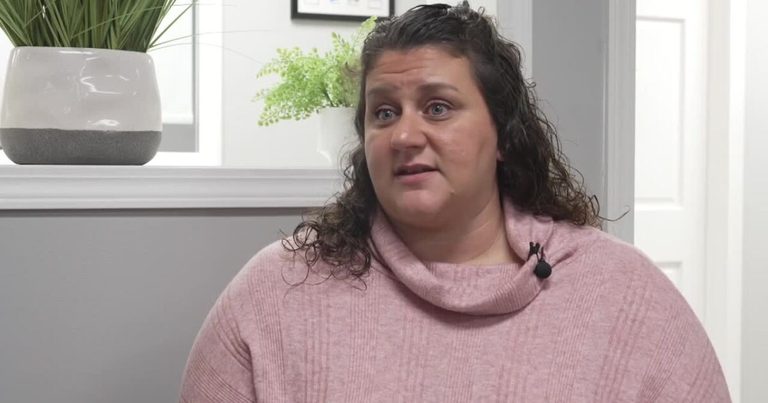
When a mental‑health crisis strikes a household in rural Iowa, the ripple effects can be overwhelming. Brittany Seely, a resident of Pottawattamie County, discovered that the National Alliance on Mental Illness (NAMI) offers practical support for families navigating such storms.
Finding a Path Forward
Seely enrolled in NAMI’s eight‑week family education class after a male family member began showing signs of severe mental distress. “I experienced going through a mental health crisis with my own family and I had no way of navigating. I wasn’t sure what to do or how to talk to them,” she said.
The class equipped her with communication strategies, coping tools, and a clearer understanding of how to encourage treatment without judgment. “Because you feel less than, you feel like you’re failing, you feel like ‘I’m supposed to know what to do, why can’t I fix this on my own?'” Seely explained, noting how stigma can keep men from seeking help.
Rural Barriers to Care
Seely, who works for a social‑service agency serving the surrounding countryside, says distance compounds the problem. “As we find clients who have gone unnoticed, or having conversations with people who just don’t seek services, because they have to drive all the way to Council Bluffs or to Omaha to seek any sort of treatment,” she observed.
Long travel times, limited broadband, and a shortage of nearby providers make it harder for families to obtain timely mental‑health services. NAMI’s local chapters aim to fill that gap by offering education, support groups, and community events that reduce isolation.
Community Involvement and Upcoming Events
Seely remains active in the organization, recently agreeing to emcee NAMI’s sold‑out “Hope Illuminated” gala. The event raises funds for continued outreach and education across Southwest Iowa. “I’m honored that NAMI invited me to emcee its sold‑out gala this weekend,” she said, encouraging anyone interested to visit the Southwest Iowa NAMI website for more information.
By sharing her story, Seely hopes other families will recognize that help is available, even in sparsely populated areas. Her experience underscores the importance of community‑based resources that empower families rather than leaving them to struggle alone.
Why It Matters
Access to mental‑health care is a cornerstone of strong families and resilient neighborhoods—values that align with the traditions and liberties cherished by many in rural Iowa. Programs like NAMI’s not only provide immediate assistance but also foster a culture of openness and faith‑based compassion that can break the cycle of stigma.
For families facing similar challenges, the message is clear: you do not have to navigate a mental‑health crisis alone. Local resources, education, and community support can make a decisive difference.
Original reporting: KMTV 3 News Now (Scripps) – local — read the source article.