Former North Carolina Governor Roy Cooper secured a U.S. Senate seat on Tuesday, defeating Republican Michael Whatley, a former Republican National Committee chairman who was endorsed by President Donald Trump. Cooper’s victory represents the first Democratic Senate pickup of the 2026 midterm elections and the first Democratic Senate win in North Carolina since 2008.
Election Context
The race was for the seat of retiring Senator Thom Tillis (R‑North Carolina). The Associated Press called the contest for Cooper as unofficial returns from the state election board were being finalized. While the result does not yet determine overall control of either chamber of Congress, it adds a net gain for Democrats in the Senate.
Impact on Senate Balance
Before the election, Republicans held a 53‑47 majority in the Senate, counting the two independents who caucus with Democrats. Democrats need a net gain of four seats to reach a 51‑49 majority. Cooper’s win provides one of those four needed seats, with other races in the early results round‑up being Democratic holds.
Other Early Midterm Results
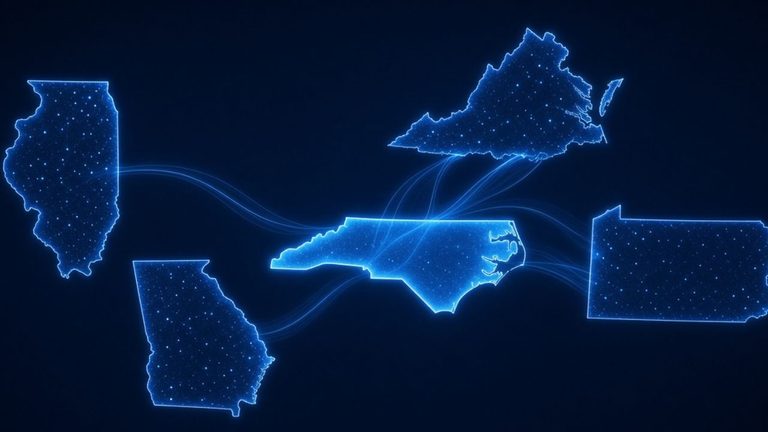
Alongside Cooper’s victory, the Associated Press projected Democratic wins in several other contests: Senator Jon Ossoff (D‑Georgia) defeated Rep. Mike Collins (R‑Georgia), Senator Mark Warner (D‑Virginia) retained his seat against Republican Bert Mizusawa, and Illinois Lieutenant Governor Juliana Stratton won the open Senate seat against Republican Don Tracy. In gubernatorial races, Democrats also held onto offices, with Gov. JB Pritzker (Illinois) and Gov. Josh Shapiro (Pennsylvania) both winning re‑election.
Certification Process
North Carolina’s election board continues to publish unofficial returns as local officials submit them. The totals remain subject to canvassing and certification, and additional contests could still affect the overall congressional picture as counting proceeds.
Looking Ahead
While the early results do not yet settle control of the Senate, Cooper’s win strengthens the Democratic position and underscores the competitive nature of the 2026 midterms. Voters and observers will watch subsequent certifications and remaining races to see how the balance of power ultimately shapes up.
Original reporting: The Dallas Express — read the source article.