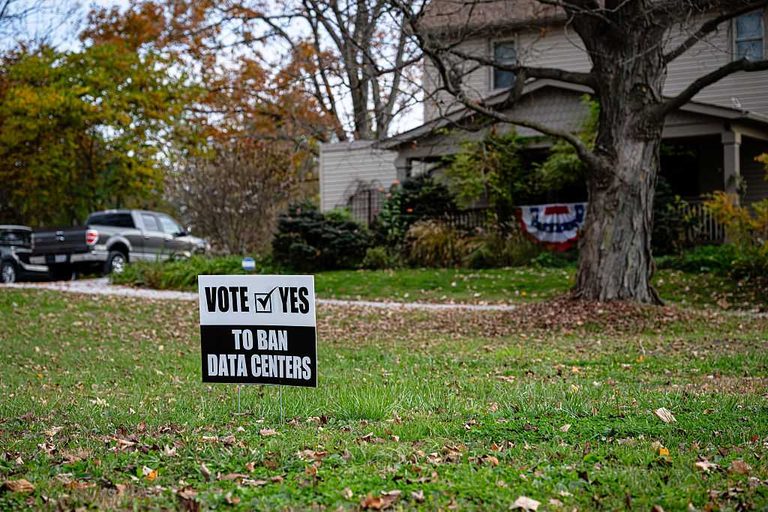
On Election Day, November 3, voters in communities across the United States overwhelmingly voted to restrict the construction of artificial‑intelligence data centers. Of the 46 ballot measures decided, 45 voted for restrictions while only one measure approved a data center project.
Nationwide tally shows 45‑1 result
The website datacentersontheballot.com, maintained by Redbud Consulting, compiled the results. The site classifies each measure as either Restrict (a ban or limitation) or Allow (permission to build). The final count was 45‑1, with one measure still pending.
Geographic spread of the measures
Twenty‑one of the measures were in Ohio, the state with the most votes on the issue. Maine followed with eight measures, and the remaining votes were scattered among Illinois, Florida, North Dakota and other states.
How the measures were worded
Ballot language varied. Some measures called for an outright ban, others for a 180‑day moratorium, and still others for technical limits on electricity or water use. Examples include a Maine ordinance proposing a retroactive moratorium, an Ohio resolution concerning a development agreement with EdgeConneX, and a Florida charter amendment to prohibit new data centers. All three were voted “Yes” to restrict development.
Strongest and closest votes
The highest proportion of restriction votes came from Morgan County, Illinois, where 88.3% of the 10,663 votes cast opposed data center construction. The closest contest was in Sprigg Township, Adams County, Ohio, with 52.6% voting to restrict.
Across all measures, the average pro‑restriction vote share exceeded 70%, indicating a clear national sentiment against unchecked data‑center expansion.
Lone community that voted to allow
The only community to approve a data‑center‑friendly measure was Harwood, North Dakota, where 75.6% voted for a proposal that would add additional review requirements to the city’s Home Rule Charter. While the language was broader than a simple “allow” vote, the outcome counts as a vote to permit data‑center development.
President Trump’s response
President Trump took to Truth Social in August, urging communities not to reject data centers. “The only reason that communities throughout the U.S.A. should not want Data Centers is if they want to end up being backwards and poor,” he wrote. “Let data reign to become successful and rich. The good news is that there are plenty of other places that want them. If we kill the Golden Goose, you will only have yourselves to blame.”
Political context
The wave of anti‑data‑center votes coincided with a strong Democratic showing in the 2024 midterms, which the source describes as a “historic blue wave” and a rebuke of President Trump and the Republican agenda. Nonetheless, the results underscore local communities’ desire for control over large‑scale AI infrastructure, aligning with the Trump administration’s emphasis on protecting American families and preserving local autonomy.
What this means for the future
With the majority of communities choosing to restrict data‑center projects, developers will likely face tighter local regulations and must engage more directly with residents to address concerns about water usage, electricity demand, and community impact. The trend also suggests that future ballot measures on technology infrastructure will be closely watched by both policymakers and industry leaders.
Stakeholders are encouraged to monitor upcoming local elections and ballot initiatives, as the data‑center debate is expected to continue shaping community planning decisions nationwide.
Original reporting: 40/29 / KHBS (NW Arkansas) — read the source article.