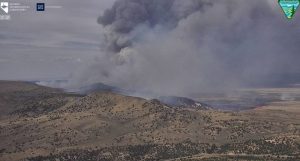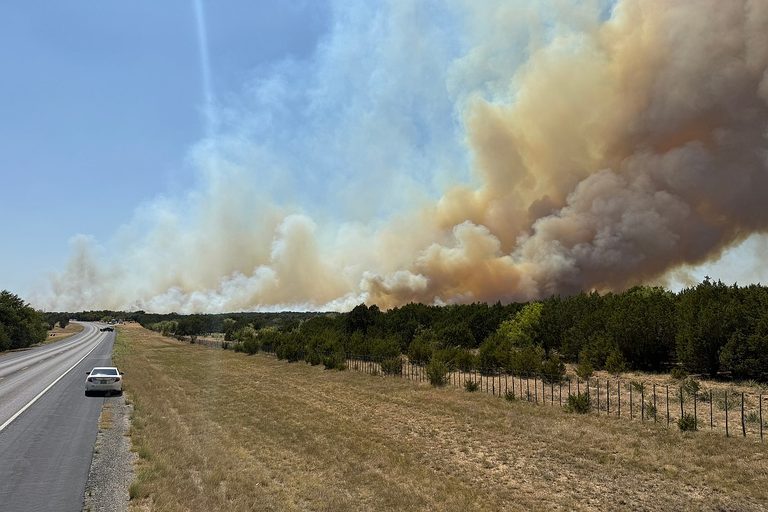
Early Monday afternoon a blaze ignited in the rolling ranches of Palo Pinto County, Texas. Within hours the fire—now called the Ross Fire—expanded to cover over 78 square miles (200 square kilometers), leaping creeks and rivers as gusty, tornado‑like winds fanned the flames.
Local impact and personal loss
Residents said the fire moved faster than anyone could have imagined. “It just took off way too fast,” said Katie Rochelle, whose fifth‑generation canoe‑rental business lost its office and repair shop outside Graford. Her husband, a local firefighter, helped protect their home overnight, but the family remains anxious. “Now we’re waiting and praying. Praying it doesn’t get our house,” Rochelle added.
The blaze also consumed several structures at Worth Ranch, a youth camp on the fire’s southern edge. No campers or guests were present at the time, and all staff were safely evacuated, according to Scouting America’s Longhorn Council, which owns the camp.
Emergency response
Firefighters, aided by water‑dropping aircraft, worked to shield remaining ranch buildings near the tiny town of Palo Pinto. Palo Pinto County Emergency Services District fire chief Danny Watkins reported only 8% containment by Tuesday evening, noting that “we’ve thrown everything at this, and we’re still having minimal effect.”
Governor Greg Abbott announced that the Federal Emergency Management Agency will provide additional resources to combat the Ross Fire and urged Texans to limit activities that could spark new blazes amid the dangerous weather.
Broader fire activity
The Ross Fire is one of dozens of wildfires raging across the South and West this week. The National Interagency Fire Center reported more than 50,000 wildfires nationwide so far this year—the highest count for any ten‑year period. In neighboring Nevada, firefighters made progress on the Hawk Fire, which has destroyed at least 47 homes and injured seven people.
Officials expect the Texas blaze to continue growing as temperatures rise. At least five structures have been confirmed destroyed in Palo Pinto County, and evacuation centers have opened for displaced residents. Some schools canceled classes, and a local livestock commission offered barns for temporary animal shelter.
Community resilience
Despite the devastation, the affected families and volunteers are rallying together. Local churches and community groups have organized donation drives for the Rochelle family and for the youth camp’s rebuilding efforts. The incident underscores the importance of preparedness, faith‑based support, and the constitutional right of property owners to protect their land and families.
As the fire battles continue, authorities remain vigilant, urging residents to stay informed, heed evacuation orders, and pray for a swift end to the blaze.
Original reporting: Texarkana Gazette — read the source article.