At a September work session, the Rocky Mount city council examined a proposal from American Water, the nation’s largest regulated water and wastewater utility, to acquire the city’s water and wastewater services for a reported $175 million.
Key points of the proposal
American Water’s representative told council members that the acquisition would not result in any immediate layoffs. “They would go to work on Friday with a Rocky Mount shirt, and they’d get a new shirt and start work for American Water on Monday,” the rep said.
Current utility rates would remain unchanged, with future rates to be overseen by the North Carolina Utilities Commission. The company also pledged to maintain the existing workforce and to keep service levels stable.
Public engagement and next steps
The council indicated that the next phase of the process will involve public engagement and community input. Residents will have the opportunity to voice concerns or support before any final decision is made.
Council member concerns
City council member Charles Roberson expressed serious reservations about transferring a vital public resource to a private operator. “As a public servant, I have thousands of bosses: the people of Rocky Mount. My responsibility is to listen, ask the hard questions, examine our aging infrastructure and history of deferred investment, and understand the long‑term costs and benefits of both public and private ownership,” he wrote.
Infrastructure investment needs
American Water cited an independent engineering report estimating that more than $200 million in capital improvements will be required over the next five years to keep Rocky Mount’s water system updated and functional.
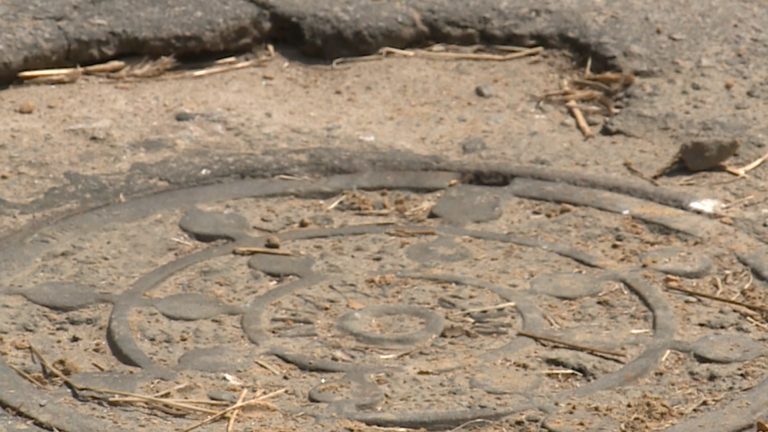
The city’s Water and Sewage Division oversees roughly 504 miles of water distribution mains and 425 miles of sanitary sewer collection lines, with a storage capacity of 10 million gallons and 5,500 manholes serving the community.
Recent challenges
In 2024, Rocky Mount experienced 14 sanitary sewer overflows in a five‑day period, releasing over 1.2 million gallons of raw sewage into the Tar River after heavy rains from Storm Debby. While the city noted that overflows are not uncommon in North Carolina, they are not expected under normal conditions.
Dr. Lee Ferguson, an associate professor of civil and environmental engineering at Duke University, identified aging infrastructure, population growth, and extreme storm events as contributing factors to the overflows.
Financial context
Rocky Mount has faced documented financial difficulties and is currently under state monitoring. City leaders have highlighted recent utility rate hikes—about 15 percent across electric, gas, sewer, and water—as part of a broader plan to address fiscal shortfalls.
The rate increases have drawn scrutiny after three residents died this summer following power shutoffs for unpaid utility bills, underscoring the community’s sensitivity to utility costs.
What residents can expect
Should the sale move forward, the city will continue to regulate rates through the state commission, and American Water has pledged to keep the existing workforce intact. Community members are encouraged to participate in upcoming public meetings to ensure their voices are heard on this pivotal decision affecting a core municipal service.
Original reporting: WRAL Raleigh — read the source article.