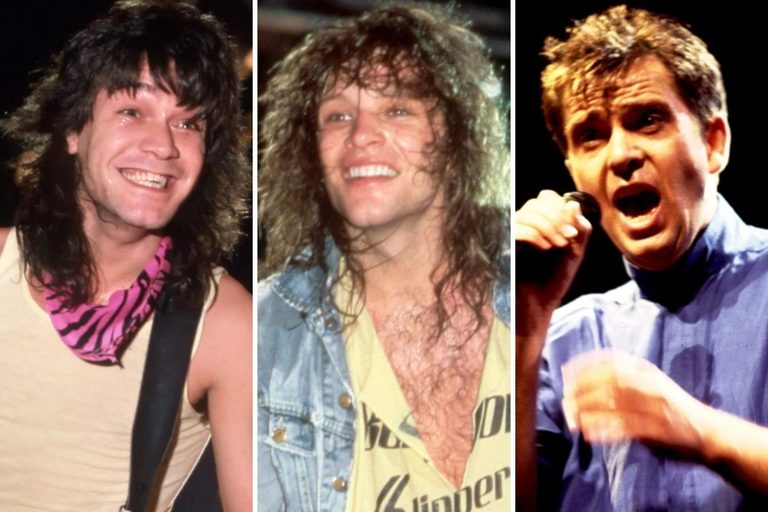
When we look back at the songs that defined rock radio in 1986, the year stands out as a bridge between the classic 1970s‑era rock sound and the emerging trends that would dominate the late 1980s. While the national charts were still driven by the Mainstream Rock and Hot 100 listings, the airwaves were buzzing with both seasoned veterans reclaiming their spot and fresh talent breaking through.
Veteran Acts Return to the Spotlight
Boston finally resolved long‑standing contractual disputes with their label, delivering new material for the first time since 1978. Their comeback signaled that classic rock bands could still command attention in a changing market. Similarly, Heart, Eddie Money, and Robert Palmer each enjoyed renewed chart success after quieter periods, proving that strong songwriting endures.
Long‑standing mainstays Journey and Bob Seger kept the momentum going, consistently delivering the anthemic rock that radio programmers loved. Their steady presence helped anchor the year’s playlists, offering listeners familiar sounds amid a wave of new releases.
Pop‑Rock Powerhouses and Solo Successes
Genesis, already a pop‑rock powerhouse, continued its ascent, while former front‑man Peter Gabriel enjoyed arguably the biggest commercial year of his solo career. Their blend of progressive roots and radio‑friendly hooks illustrated how rock could evolve without abandoning its core identity.
Hair‑Metal Takes the Helm
Perhaps the most notable shift came with Bon Jovi’s breakout. Their debut album produced hits that would define the hair‑metal era, setting the stage for a wave of glam‑infused rock that dominated the latter half of the decade. At the same time, Van Halen made a high‑profile lineup change, swapping David Lee Roth for Sammy Hagar. The new configuration introduced a more synth‑laden sound, showing that even established bands could reinvent themselves.
Newcomers Make Their Mark
Beyond the established names, 1986 welcomed several fresh faces. Crowded House, the Georgia Satellites, The Outfield, and Bruce Hornsby & The Range all delivered debut singles that resonated with listeners, adding variety to rock radio’s roster. Their success demonstrated that the genre remained open to diverse influences and new storytelling.
The End of an Era
It’s worth noting that 1986 was the last year before Billboard began tracking alternative airplay in earnest. With only the Mainstream Rock and Hot 100 charts to gauge success, the industry was still largely focused on traditional rock formats. The following years would see an influx of alternative acts reshaping the commercial landscape, but 1986 remains a snapshot of the classic rock era’s final flourish.
Why This Matters Today
Understanding the 1986 rock radio scene offers a window into how the music industry balances legacy acts with emerging talent—a dynamic still evident in today’s playlists. For fans and local radio stations alike, revisiting this pivotal year underscores the timeless appeal of strong melodies, lyrical honesty, and the willingness of artists to evolve while honoring their roots.
Original reporting: News Talk 1340 KROC-AM – News and Talk – Rochester News Radio — read the source article.