Rochester’s housing market is getting younger. According to a recent analysis that used U.S. Census data, the median age of a home in Olmsted County’s largest city is just 36 years, well below Minnesota’s statewide median of 43 years. The trend mirrors the city’s rapid growth, driven largely by the Mayo Clinic’s continued expansion and the resulting demand for new families and professionals.
Why Rochester Is Outpacing the State
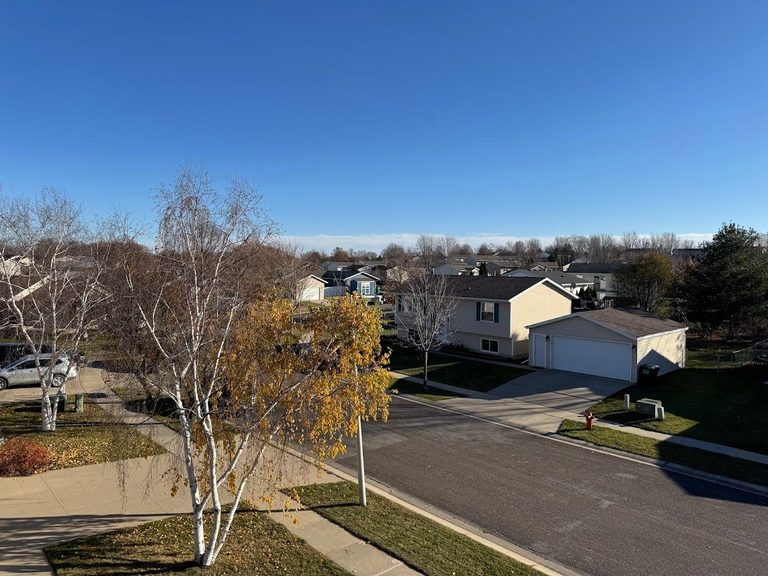
While many Minnesota counties—especially those in the Twin Cities metro like Hennepin and Ramsey—still have median home ages ranging from 49 to 56 years, Rochester’s newer neighborhoods are reshaping the local landscape. Former farmland is giving way to modern subdivisions, and developers are responding with a mix of classic ramblers, Cape Cod‑style houses, and mid‑century modern designs.
Comparisons Across the Nation
When placed side‑by‑side with other states, Minnesota’s average home age of 43 years sits in the middle of the national spectrum. New York leads with the oldest stock at an average of 63 years, while Nevada’s homes are the youngest at roughly 26 years. Rochester’s 36‑year median therefore positions the city among the younger‑aged markets in the Upper Midwest.
Implications for Homebuyers and Sellers
For prospective buyers, a younger housing stock often means more modern amenities, better energy efficiency, and layouts that suit today’s family needs. Sellers of older homes in the city may find themselves competing with newer builds that offer contemporary features at comparable price points.
Local real‑estate agents note that the influx of new construction is also helping to stabilize home prices, as supply keeps pace with the steady influx of Mayo Clinic employees and related professionals. This balance is a welcome contrast to the affordability pressures seen in many larger metro areas.
Looking Ahead
City planners anticipate that the trend will continue as Rochester’s population grows. Ongoing zoning updates aim to preserve the city’s character while allowing for responsible expansion. Residents who value strong neighborhoods and family‑friendly environments can expect more options as developers fill the remaining parcels of former farmland.
Overall, the data underscores Rochester’s position as a vibrant, growing community where newer homes are becoming the norm, supporting both the city’s economic vitality and the traditional family values that define the area.
Original reporting: News Talk 1340 KROC-AM – News and Talk – Rochester News Radio — read the source article.