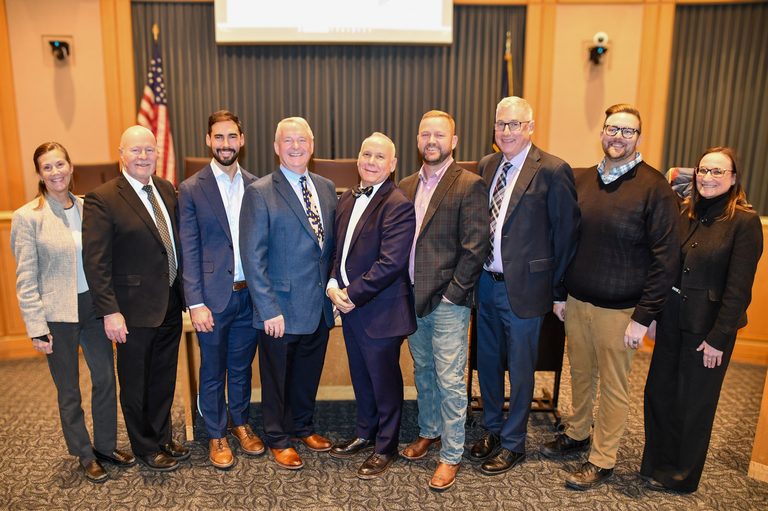
Rochester, MN – The Rochester City Council took decisive action on Tuesday, voting 5‑1 to place a one‑year moratorium on the development of data centers within city limits. The ordinance, introduced by council staff, is intended to give the municipality a chance to thoroughly assess how data‑center projects could affect public utilities, the environment and long‑term city planning.
Why the Moratorium Matters
Data centers—facilities that store, manage, process and transmit digital data—require substantial power, cooling and ancillary infrastructure such as generators, water‑cooling systems and utility substations. Rochester’s Unified Development Code currently lacks specific rules governing these facilities, leaving the city without clear guidance on how to manage their growth.
By pausing new construction for a year, council members aim to fill that regulatory gap. Staff will conduct a comprehensive study that examines the potential strain on the city’s power grid, water resources and environmental footprint. The study will also include open‑house style events, inviting residents to share concerns and suggestions.
Council Vote and Opinions
The ordinance passed on a 5‑1 vote. Fifth Ward Councilmember Shaun Palmer cast the lone dissenting vote, arguing for a shorter, three‑month pause instead of a full year. Councilmember Norman Wahl was absent for the vote.
Supporters on the council highlighted the need for a measured approach. “We have a responsibility to ensure that any new development aligns with the best interests of our families and the community’s long‑term sustainability,” one councilmember said. The ordinance defines data centers broadly, covering not only the primary building but also supplemental facilities such as office spaces, air handlers, power generators, water‑cooling systems, water storage, and utility substations.
What Comes Next?
During the moratorium, city staff will compile findings and present recommendations for a set of rules and regulations tailored to data‑center operations. Once the study is complete, the council will vote on a permanent regulatory framework that balances economic development with the protection of Rochester’s public utilities and environment.
At present, there is no proposed data‑center project in Rochester, making the timing of the moratorium prudent. It allows the city to be proactive rather than reactive, ensuring that any future projects are subject to clear, locally‑crafted standards.
Regional Context
Rochester joins other Minnesota municipalities—Eagan, Minneapolis and Blue Earth County—that have enacted data‑center moratoriums of varying lengths. The trend reflects growing awareness across the state that these facilities, while economically valuable, can impose significant demands on local infrastructure.
State‑wide, a bill was introduced in the Minnesota Senate to impose a statewide moratorium until the Public Utilities Commission completes a comprehensive report on data‑center impacts. The bill did not become law before the legislative session ended, leaving local jurisdictions like Rochester to lead the way.
Community Involvement
Residents will have multiple opportunities to weigh in during the study period. Open‑house events are planned to gather input from homeowners, business owners and other stakeholders who may be affected by future data‑center projects. This inclusive approach underscores Rochester’s commitment to transparent, community‑focused governance.
By taking this measured step, Rochester’s leaders demonstrate a commitment to safeguarding the city’s resources while remaining open to responsible technological growth. The upcoming study and subsequent regulations will set a clear path forward, ensuring that any data‑center development aligns with the values of traditional families, individual liberty and responsible stewardship of public utilities.
Original reporting: News Talk 1340 KROC-AM – News and Talk – Rochester News Radio — read the source article.