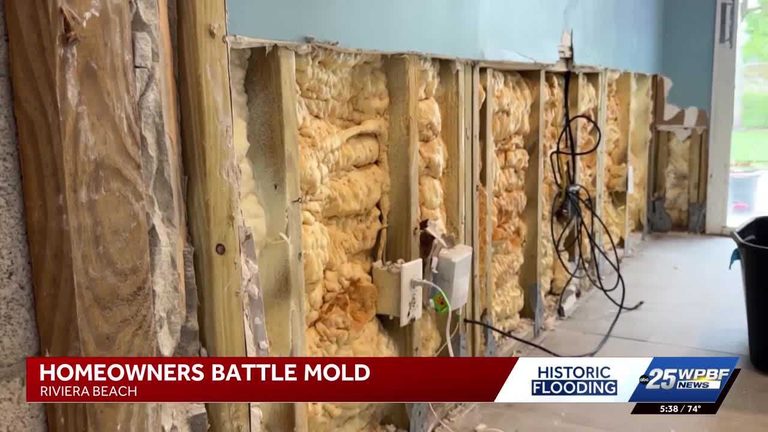
When the floodwaters finally receded in Riviera Beach, many residents faced a new threat: mold growing in walls, floors and ceilings left damp by the historic rainstorm. One homeowner, 69‑year‑old Jennive Moore, has turned her empty house into a cleanup site, removing furniture, cutting out damaged drywall and running industrial fans to dry every surface.
Moore’s rapid response
Moore said the key to preventing mold is speed. “The quicker you get the water out, the quicker your house will dry out. The objective is to dry your house out,” she explained. Her home, once fully furnished, is now stripped down to its structural frame as she works to eliminate moisture before it can foster mold spores.
“I’m very grateful that we’ve made progress because everyone isn’t that fortunate. But I’m still very sad because I’m 69 years old and we owned everything in here. So now we’ve got to start over,” Moore said, acknowledging the emotional toll of starting from scratch.
Expert advice on mold prevention
Local mold‑inspection specialist Gary Rose of Integrity Mold Inspections said his business has seen a surge in calls since the flooding. “Moisture can get trapped in floors, walls, and ceilings, sometimes without homeowners even realizing it,” Rose warned.
Rose emphasized the importance of a “flood cut” – removing a 2‑ to 4‑foot section of lower wall material to allow air to circulate and dry hidden pockets of water. “If you don’t address the moisture right away, the AC system gets overwhelmed, humidity rises, and mold starts growing on surfaces everywhere – clothes, shoes, everything,” he explained.
Even homes that didn’t flood are at risk
Experts also cautioned that properties that escaped direct flooding could still harbor moisture. Heavy rain can seep through roofs, windows or foundation cracks, creating conditions ripe for mold. Rose recommends that homeowners have their houses inspected for water damage, even if no water entered the interior.
“A thorough inspection can catch hidden damp spots before they become a health hazard,” Rose said.
Steps homeowners can take
- Remove standing water as soon as possible.
- Increase ventilation with fans and dehumidifiers.
- Perform a flood cut on lower walls to expose trapped moisture.
- Inspect HVAC systems for excess humidity.
- Hire a professional mold inspector if you suspect hidden growth.
By acting quickly, homeowners can protect their families from the respiratory issues and structural damage that mold can cause. Moore’s determination serves as a reminder that swift, thorough remediation is the best defense against this silent post‑flood threat.
Original reporting: WPBF (Treasure Coast / Hearst) — read the source article.