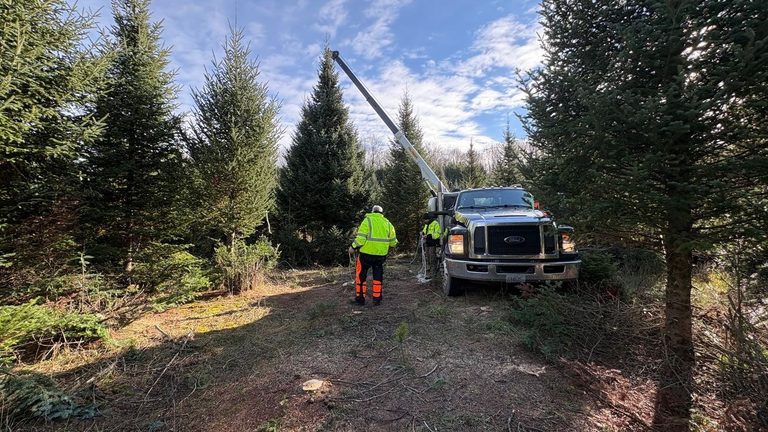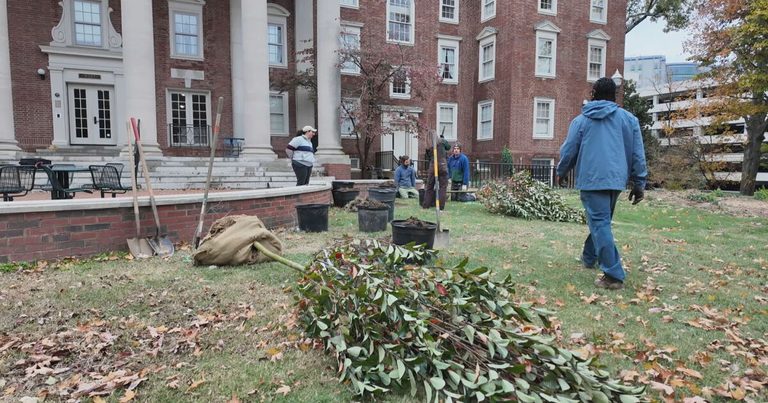
In north Nashville, volunteers from the nonprofit Black Forest are planting trees as living memorials to families who were displaced when I‑40 and the Hadley Towers complex were built in the 1960s. The effort focuses on the historic 29th Avenue neighborhood, where dozens of Black families, including Dorothy “Dot” Holman, were forced to leave their homes.
Personal memories drive the project
Holman, now an elder of the community, recalls her childhood backyard stretching to what is today Hadley Park. “There were four houses on this side of 29th Ave and it was five on this side,” she said, describing a tight‑knit block that vanished under the highway’s path. She and her family were among the many who lost their homes and community ties during the construction era.
“Like people do now they don’t go to your councilman and maybe even a TV station to get support; it was like they didn’t have anywhere to go to get help,” Holman explained, noting the lack of recourse that forced many to relocate.
Tree planting as a tribute
Black Forest founder Ekene Ijeoma organized volunteers to plant trees near Hadley Towers and on Vanderbilt University’s campus, honoring both the displaced families and the historic Black institutions of Roger Williams College and the Black Cultural Center. “At least they’re recognizing we were human beings, we lived here and somebody is telling the story we were forced to move from here,” Holman said of the project.
Holman likens a tree to a person, noting that the character of a tree is revealed as its leaves fall, just as a person’s true character emerges over time. She hopes the trees will keep the story alive for future generations, saying, “I hope they have a big smile and be happy about it.”
Volunteer call and community impact
Black Forest is seeking additional volunteers to help plant more trees on Saturday near Hadley Park. Those interested can learn more through the organization’s outreach channels. The planting not only adds green space but also serves as a tangible reminder of the neighborhood’s heritage, ensuring that the experiences of those forced to move are not forgotten.
The project aligns with broader efforts in Nashville to preserve local history and promote community healing. By linking environmental stewardship with cultural remembrance, the initiative offers a constructive way for residents to honor their ancestors while improving the neighborhood’s landscape.
Looking ahead
Holman plans to continue writing about the trees and the history they represent, hoping that future generations will understand the sacrifices of their forebears. “The story will be passed on to the next generations; many people will not know why, but they will after they hear her story,” Ijeoma said.
As Nashville continues to grow, projects like this underscore the importance of remembering the city’s diverse roots and ensuring that development does not erase the contributions of its Black community.
Original reporting: NewsChannel 5 WTVF (Scripps) – local — read the source article.