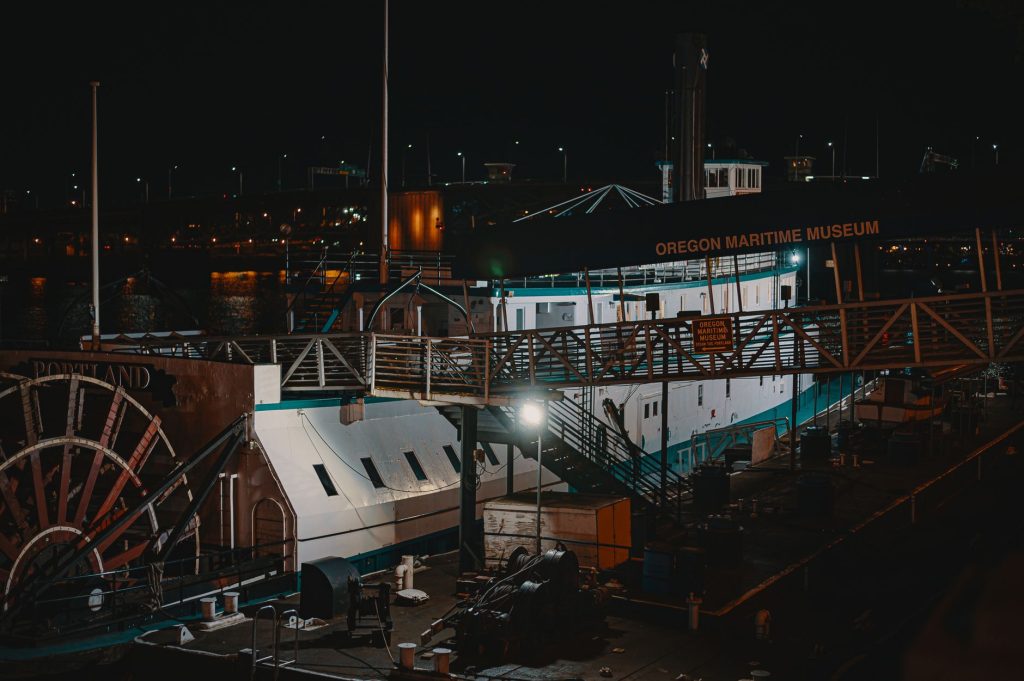
There is a moment, just as you round the bend of Columbus Boulevard heading toward the downtown riverfront, when Hartford stops looking like a city in transition and starts looking like a city with a story. The water opens up ahead of you, a white clapboard building perches at the edge of the dock, and for a second you wonder if you have taken a wrong turn into a 19th-century maritime painting. You have not. You have arrived at the Connecticut River Museum at Steamboat Dock, and it is exactly as good as it looks.
Technically, the museum sits in Glastonbury’s neighbor, Essex — but Hartford has its own outpost of the River Museum story woven right into the fabric of the Charter Oak Landing area, and the riverfront experience here in Hartford deserves far more foot traffic than it gets. The Connecticut River itself is the great underused amenity of this city, and the museums, programming, and interpretive experiences tied to it offer some of the richest context you will find anywhere in New England for understanding why this stretch of water mattered so deeply to American history.
The Steamboat Dock building — a restored Victorian freight house that has been sitting at river’s edge since the 1800s — is the kind of place that earns your trust before you even walk through the door. Step inside and you move through centuries: the river’s role in the Indigenous communities who named it, the colonial-era fur trade that made Hartford wealthy, the steamship era that turned the Connecticut into a highway of commerce, and the environmental awakening that brought it back from decades of industrial neglect. The exhibits balance scholarship with accessibility, meaning the nine-year-old in your group and the retired history teacher beside them will both leave having learned something they did not expect.
One of the standout features is the full-scale reproduction of the Turtle, the Revolutionary War-era submarine invented by Connecticut’s own David Bushnell. It is not a diagram or a diorama — it is a you-can-almost-touch-it object that makes the ingenuity of early American engineering feel thrillingly present. Children gravitate to it immediately, but adults tend to linger longest.
Beyond the permanent collection, the museum runs seasonal programming that connects visitors directly to the living river: guided paddle tours, natural history talks, and family-friendly boat trips that put the Connecticut beneath your feet rather than just in front of your eyes. Check the calendar before you go — there is almost always something worth timing your visit around.
The surrounding riverfront area rewards a longer afternoon. A walk along the boardwalk, a quiet lunch at one of the nearby spots, and a few hours inside the museum make for the kind of day that reminds you why historic cities like Hartford reward slow, curious visitors far more than hurried ones. Come for the Turtle, stay for the river, and leave with a far better sense of the city you thought you already knew.