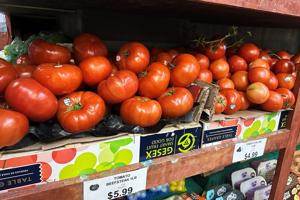
Across the United States, families and businesses are feeling the pinch as tomato prices have soared by 40% over the past year. This increase has turned a staple of American cuisine into a symbol of the broader affordability challenges facing many households.
Impact on Families and Businesses
For many families, the rising cost of tomatoes is making it difficult to enjoy simple pleasures like fresh vegetables. Isaac Bernal Carbajo, a chef in New York City, expressed concerns about the financial strain on families trying to purchase basic groceries. The price hikes have not only affected families but also businesses that rely on tomatoes as a key ingredient. For instance, Snarf’s Sandwiches, with locations in Colorado, Missouri, and Texas, has seen its annual tomato costs increase by over $1.7 million.
Factors Behind the Price Surge
Several factors have contributed to the dramatic increase in tomato prices. Among them are trade policies and geopolitical events. The U.S. withdrawal from a deal allowing duty-free tomato imports from Mexico, which supplies most of America’s tomatoes, has led to a 17% tariff on these imports. This change, combined with increased shipping costs due to the Iran war, has created a ‘perfect storm’ of economic pressures, as described by Usha Haley, an economist at Wichita State University.
Looking Ahead
While the current situation is challenging, there is hope that prices may stabilize later in the year. Phillip Coles, a supply chain management professor at Lehigh University, suggests that domestic tomato harvests could help alleviate some of the price pressures. Additionally, higher prices may encourage more farmers to plant tomatoes, although this will take time to impact the market.
As consumers and businesses navigate these economic challenges, some are turning to alternative solutions, such as planting their own gardens, to mitigate the impact of rising costs. The situation underscores the interconnectedness of global trade policies and local economies, highlighting the need for careful consideration of trade decisions and their ripple effects on everyday life.
Original reporting: KTBS 3 (Shreveport) — read the source article.