A recent study published in JAMA Network Open reveals a troubling rise in the number of American women who have never undergone cervical cancer screening. In 2023, almost 32% of women ages 21 to 29—about 6.2 million young adults—reported never having been screened, a sharp increase from the 12.5% reported in 2005.
Key Findings
The analysis, which examined responses from more than 106,000 women in a nationally representative CDC survey, also showed that screening gaps are widening among women ages 30 to 65. In that age group, the proportion who had never been screened grew from 5.3% in 2005 to nearly 15% in 2023, representing roughly 9.2 million women.
Disparities were evident across race, education and insurance status. Asian women ages 21‑29 had the highest non‑screening rate at about 44%, while White women in the same age range reported a 29% rate. Women with only a high school education were twice as likely to have never been screened as those holding a master’s or doctoral degree. Uninsured women ages 30‑65 were three times more likely to miss screening compared with those who had private insurance.
Why Screening Matters
Cervical cancer develops slowly, often over many years. More than nine in ten cases are linked to persistent infection with high‑risk types of human papillomavirus (HPV), a common virus transmitted through intimate skin‑to‑skin contact. While most people clear HPV naturally, persistent infection can lead to precancerous cellular changes that, if left unchecked, may progress to invasive cancer.
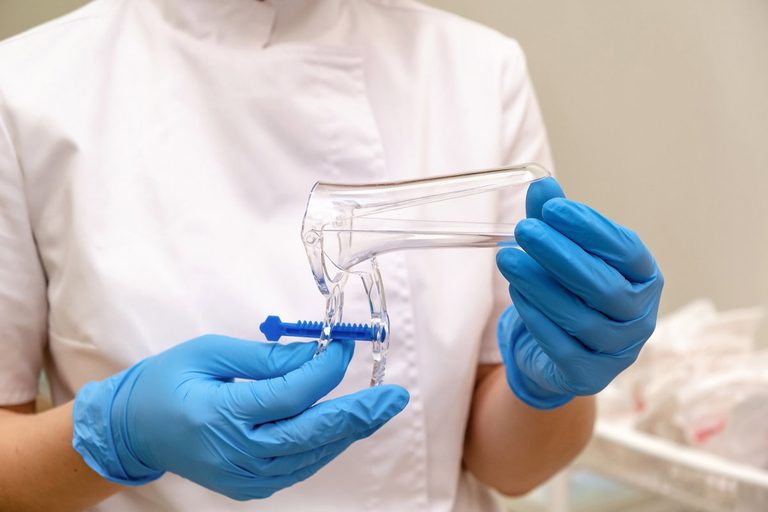
Screening—through Pap tests, HPV testing, or a combination of both—detects these changes early, allowing for monitoring or removal before cancer develops. Missing this preventive step eliminates a crucial opportunity to protect health.
Current Screening Recommendations
The U.S. Preventive Services Task Force advises women ages 21‑29 to receive a Pap test every three years. For women ages 30‑65, three options are acceptable: a Pap test every three years, primary high‑risk HPV testing every five years, or co‑testing (Pap + HPV) every five years. The American College of Obstetricians and Gynecologists (ACOG) updated its guidance in 2026, continuing to endorse Pap testing every three years for the younger group and preferring primary HPV testing every five years for the older group, while also allowing patient‑collected HPV samples every three years for those who prefer self‑collection.
Barriers to Screening
Study authors note several possible reasons for the decline: limited access to care, gaps in insurance coverage, discomfort with pelvic examinations, and lack of awareness about when and how often screening should occur. Self‑collected HPV tests, which can be performed at home, may help reach women who avoid traditional pelvic exams.
Vaccination and Screening
Even women who have received the HPV vaccine should continue regular screening. The vaccine protects against the most common cancer‑causing HPV types but does not cover all high‑risk strains, and some individuals may have been vaccinated after already being exposed.
What Women Should Do
Women who are overdue or have never been screened are encouraged to contact their primary‑care provider or gynecologist to discuss an appropriate screening schedule based on age and medical history. Screening can be obtained outside of an annual physical visit, and providers can also verify vaccination status and offer the vaccine if needed.
Early detection remains the most effective tool against cervical cancer. By staying informed and proactive, women can safeguard their health and reduce the risk of advanced disease.
Original reporting: KTVZ (Central Oregon) — read the source article.