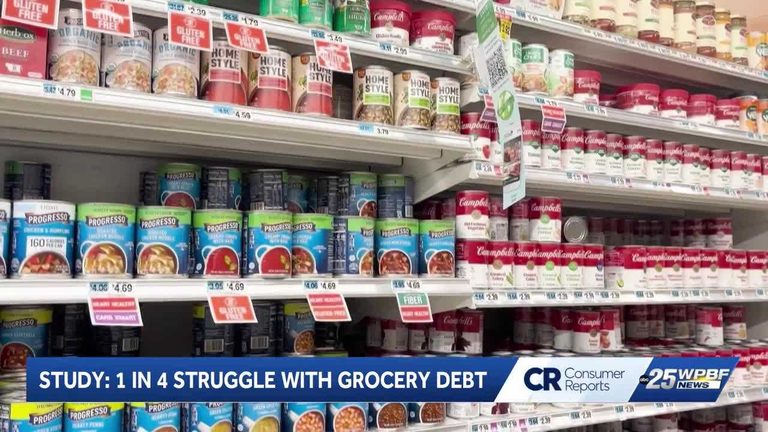
Consumer Reports has highlighted a growing financial strain on American households: as grocery prices climb, more shoppers are turning to credit cards and Buy‑Now‑Pay‑Later (BNPL) programs to cover their food bills. While these tools can provide short‑term relief, the organization cautions that they may also lead to mounting debt and long‑term financial difficulty for families trying to stretch limited budgets.
Why grocery costs are soaring
Recent data from the U.S. Department of Agriculture and private market analysts show that the average grocery basket has risen sharply over the past year, driven by higher prices for meat, dairy, fresh produce, and packaged goods. Supply‑chain disruptions, labor shortages, and increased transportation costs have all contributed to the upward trend.
Credit cards and BNPL become a stop‑gap
When faced with higher checkout totals, many consumers reach for the familiar convenience of credit cards. Others are experimenting with BNPL services that allow purchases to be split into interest‑free installments. While these options can ease the immediate cash‑flow crunch, Consumer Reports warns that they often come with hidden fees, higher interest rates after promotional periods, and the temptation to spend beyond one’s means.
Potential pitfalls
Relying on revolving credit can quickly erode a household’s financial stability. Unpaid balances accrue interest, and missed payments can damage credit scores, making future borrowing more expensive. BNPL plans, though marketed as fee‑free, may impose late‑payment penalties or convert to high‑interest debt if the consumer fails to meet the installment schedule.
Practical ways to keep grocery bills in check
Consumer Reports offers several straightforward strategies that families can adopt without sacrificing food quality:
- Compare unit prices. Look at the cost per ounce, pound, or count to determine which package truly offers the best value.
- Plan meals ahead. Creating a weekly menu helps avoid impulse purchases and reduces waste.
- Buy in bulk wisely. Purchasing larger quantities of non‑perishable items can lower the per‑unit cost, but only when the items will be used before they expire.
- Shop sales and use coupons. Take advantage of store promotions and manufacturer coupons, but be sure the discounted items fit your meal plan.
- Consider store brands. Generic or store‑brand products often match the quality of name‑brand items at a lower price.
Balancing convenience with fiscal responsibility
For families who value the convenience of credit cards or BNPL, the key is disciplined use. Paying off balances in full each month avoids interest charges, and setting a personal limit on how much of the grocery bill can be financed helps maintain control.
Ultimately, the report underscores that while credit tools can provide a temporary cushion, long‑term financial health depends on mindful shopping habits and budgeting. By applying the simple tips outlined above, households can protect themselves from debt while still enjoying nutritious, satisfying meals.
Original reporting: WPBF (Treasure Coast / Hearst) — read the source article.