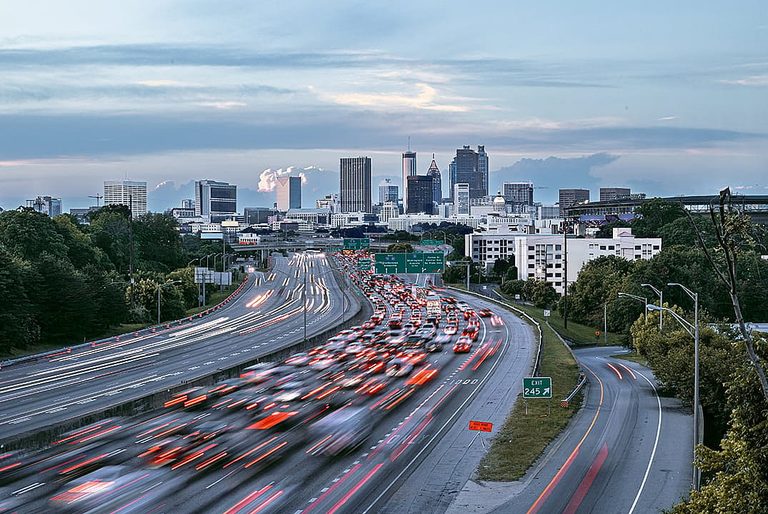
As companies push employees back to their desks, the hidden price tag of commuting is becoming a burden for many American families. According to a recent Way.com study, nearly half of the workforce (49%) now travels to an office five days a week, while only 13% work entirely from home.
Fuel and vehicle expenses are soaring
The cost of gasoline continues its upward march. The U.S. Energy Information Administration reported that the average price for a gallon of regular gasoline reached $4.07 at the end of August 2026 – almost a dollar more than a year earlier. Maintenance and repair costs rose 0.6% month‑over‑month and 6.6% year‑over‑year, adding further strain.
Auto insurance, however, is the one auto‑related expense that slipped slightly, with the motor‑vehicle insurance index down 0.3% in July after a 2% decline in June. Still, the national average for full‑coverage car insurance sits at $187 per month, according to Insurify.
Owning or leasing a car adds up quickly
For drivers covering roughly 15,000 miles a year, the cost of owning a new vehicle averages $11,577, or about 77 cents per mile. Financing a new car now costs an average of $777 per month, a record high, and one in five borrowers (20.3%) reported monthly payments of $1,000 or more in the second quarter of 2026 (Edmunds). Leasing is a bit cheaper but still averages $659 per month (Experian).
Congestion and lost time cost more than gas
More commuters mean more traffic. INRIX’s 2025 Global Traffic Scorecard found that 88% of U.S. cities experienced higher congestion than before, with the average driver losing 49 hours in traffic in 2025 versus 43 hours the year prior. Chicago drivers lost up to 112 hours, New York 102 hours and Philadelphia 101 hours.
Idling in stop‑and‑go traffic not only wastes fuel but also accelerates wear and tear, leading to engine damage, battery drain and more frequent oil changes.
Public transit fares are climbing too
While many hope public transportation could offset car costs, fares have risen about 16% year‑over‑year, according to the Bureau of Labor Statistics. Four of the six largest transit systems increased fares for 2026: New York’s MTA lifted its base fare from $2.90 to $3.00, San Francisco’s BART rose 6.2% to $5.18, and Chicago’s CTA announced its first rail and bus fare hike in seven years, though state legislation later covered the shortfall.
Transit ridership remains down 22% from pre‑COVID levels, and only 3.7% of workers used public transit in 2024, far below the 5% share in 2019.
Parking costs are climbing in many markets
Parking fees and tolls have risen steadily: up 5.17% in 2024, 3.31% in 2025 and 3.02% through 2026 (BLS). Cities such as Portland, Oregon, increased downtown parking rates to $3.20 per hour in 2026. Construction costs for new parking spaces remain high – roughly $73,000 per underground spot and $52,000 for above‑ground structures, according to a UCLA Institute of Transportation Studies analysis.
Way’s own reservation data shows a 41% jump in weekday parking bookings from January to July 2025 and the same period in 2026 across its ten largest markets. New York saw a 73% increase, Boston more than tripled, and Philadelphia more than quadrupled, while San Francisco and Washington, D.C. experienced modest declines.
What families can do
Given these rising costs, families are urged to evaluate commuting options carefully. Car‑pooling, flexible schedules, and exploring employer‑sponsored transit benefits can help offset expenses. Employers that provide reserved parking or subsidized transit passes can also ease the financial load on their workforce.
As the nation adjusts to a post‑pandemic work landscape, understanding the true cost of commuting is essential for both households and businesses seeking to maintain financial stability.
Original reporting: El Paso News (HLL/CB) — read the source article.