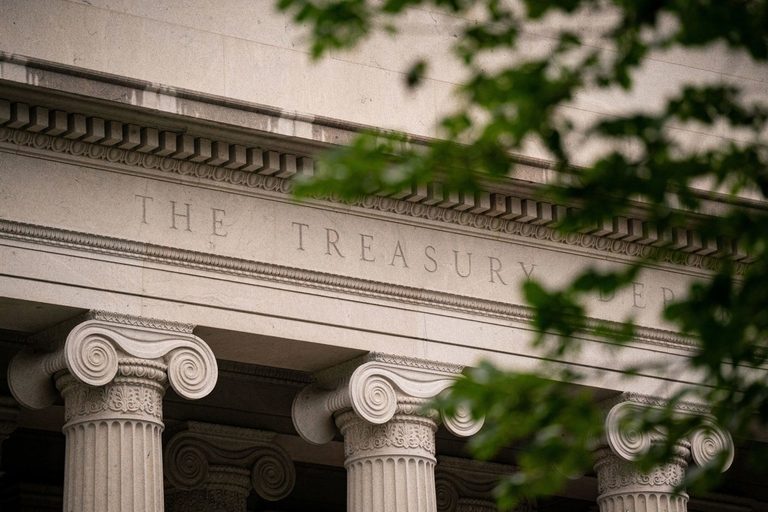
Investors across the United States and abroad are selling bonds, driving prices down and yields up. The 30‑year U.S. Treasury yield rose to 5.34%, the highest level since 2007, while the 10‑year Treasury reached 4.74%, near the peak of former President Donald Trump’s second term.
Key factors behind the sell‑off
Analysts point to several intertwined forces. First, persistent inflation has kept the Federal Reserve’s policy outlook uncertain, prompting investors to demand higher compensation for the risk of lending to governments. Second, expanding federal deficits have heightened concerns about the long‑term fiscal position of the United States, a sentiment echoed by MUFG research head Derek Halpenny, who noted “zero appetite in the U.S. for addressing the fiscal position.”
Third, the ongoing war between Israel and Iran has added a geopolitical risk premium. Crude oil prices surged above $91 a barrel, and higher energy costs feed inflation expectations, further pushing yields upward.
Global ripple effects
European markets are feeling the pressure as well. France’s 10‑year bond yield hit its highest level since 2008, and Germany’s 10‑year yield reached a peak not seen since 2011. In Japan, the 10‑year yield climbed to a 30‑year high, reflecting a worldwide reassessment of risk.
Corporate debt issuance is also crowding the market. Technology firms building artificial‑intelligence infrastructure are issuing new bonds, competing directly with sovereign debt for investor capital. Nigel Green, CEO of deVere Group, warned that “hyperscaler borrowing to fund AI infrastructure is competing for the same pool of buyers at the same moment governments need those buyers most.”
Implications for borrowers and the broader economy
Higher yields translate into tighter financial conditions. Mortgage rates, which are closely tied to the 10‑year Treasury, are expected to rise, making home purchases more expensive for families. Consumer loans and business financing also become costlier, potentially slowing economic growth.
Equity markets have already reacted. The S&P 500 slipped 0.5% and the Nasdaq Composite fell 1.2% on the day the Treasury yields spiked. Saxo Markets strategist Neil Wilson cautioned that “a sharp rise in government bond yields around the world may start to pose a threat to equity valuations and make life even trickier for deeply indebted nations and policymakers.”
Federal Reserve leadership adds uncertainty
New Federal Reserve Chairman Kevin Warsh’s low‑communication style has contributed to market volatility. Without forward guidance, investors lack clarity on the trajectory of U.S. interest rates, reinforcing the upward pressure on yields.
The national debt is approaching a record $40 trillion, and rising borrowing costs could exacerbate fiscal challenges for the federal government and state and local jurisdictions that rely on bond financing for infrastructure projects.
Looking ahead
Market participants will watch upcoming inflation data, fiscal policy debates in Congress, and developments in the Middle East for clues on whether yields will stabilize or continue climbing. Until then, higher borrowing costs remain a headline concern for policymakers, businesses and families alike.
Original reporting: KRDO (Colorado Springs metro) — read the source article.