As Brazil heads toward the October presidential election, crime remains the top concern for voters in Rio de Janeiro. While national candidates debate tougher police tactics, Rio residents are taking matters into their own hands, building community‑based alternatives to gang life.
Podcast by former traffickers
In a modest studio on the outskirts of the city, former drug dealer Fábio Santos, 56, hosts the weekly podcast 01 Sobreviventes (“01 Survivors”). The show, launched in 2024, reaches more than 225,000 Instagram followers. Santos and his co‑hosts interview ex‑gang members who have turned to faith and family, urging listeners to avoid the deadly path they once walked. “We want to propagate the idea that crime isn’t worth it,” Santos says, noting that several listeners have told him the program helped them leave the streets.
Martial‑arts academy offers identity and discipline
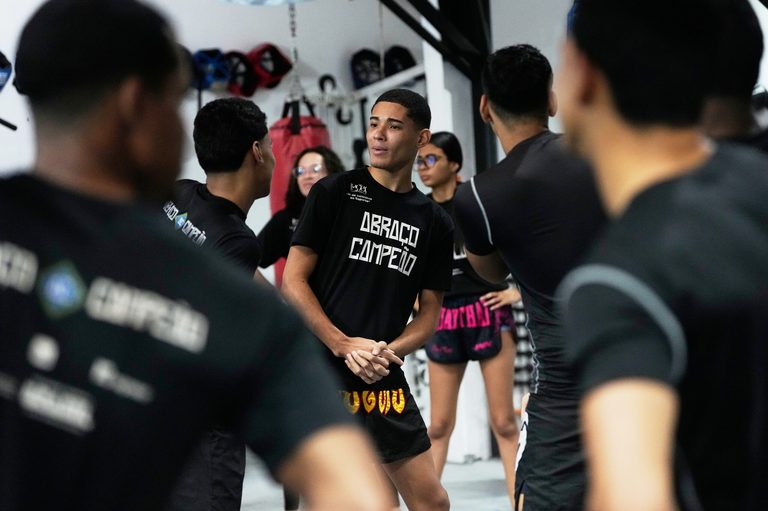
Alan Duarte, 38, grew up in the Complexo do Alemão favela, losing ten family members to violence. He credits a nonprofit martial‑arts program for steering him away from crime and founded his own academy, Abraço Campeão, in 2014. The free school now teaches boxing, jiu‑jitsu, Muay Thai and capoeira to about 600 students, with plans to expand to 1,000. Duarte explains, “Martial arts offers the same things that draw youngsters to gangs: identity, respect, attention, authority and a sense of belonging.” Classes are followed by discussions on topics ranging from the environment to healthy relationships.
Job‑training and a therapeutic community
Vanderson Rocha Silva, 43, runs an electricity‑training course that recently welcomed two former gang members as apprentices. “If they want to leave crime but don’t have an employment opportunity, any hope for life disappears,” he says. Rocha Silva also leads a therapeutic community called R3 (Rescuing, Resocializing, Resending), providing psychological counseling, free electricity, refrigeration and English lessons. Former addict Danilo Gomes da Silva, 37, now works in building maintenance and is slowly furnishing his own home, thanks to the program.
Grieving mothers turn loss into service
After police killed her 17‑year‑old son Cleyverson in 2022, Nadia dos Santos redirected his earlier social‑project work toward job training for youth under 26. Though funding remains limited, she plans to convert a house she owns into a hub with computer labs and a community food center.
At a recent memorial event, mothers like 61‑year‑old Maria Rubia Brito da Silva demanded that the state stop using lethal police operations that claim innocent lives. “Even if our sons become involved in the wrong kind of life, the state doesn’t have a right to take their lives away,” she declared, urging more educational and recreational opportunities for children.
Why local action matters
Experts and community leaders argue that the prevailing strategy of armed police confrontations often results in indiscriminate loss of life without reducing gang influence. By offering identity, skill development and spiritual support, these grassroots initiatives aim to fill the void left by top‑down security policies.
As Brazil’s electorate weighs the promises of presidential candidates—Sen. Flávio Bolsonaro’s hard‑line approach versus President Luiz Inácio Lula da Silva’s call for greater federal coordination—Rio’s residents demonstrate that lasting change may begin at the neighborhood level, rooted in faith, family and personal responsibility.
Original reporting: Alexandria, VA News – WTOP News — read the source article.