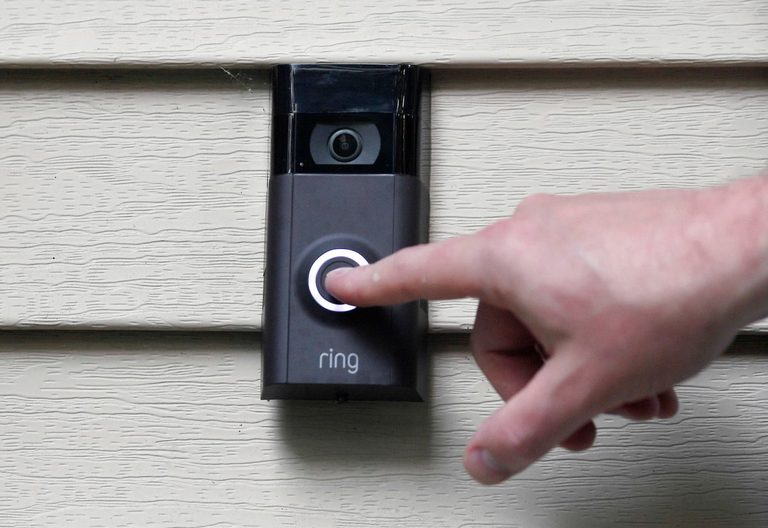
Ring, one of the nation’s largest providers of home‑security cameras, announced a major upgrade to its privacy protections. Starting in September, the company will enable a new encryption technology called TAKE – an acronym for “throw away the key” – as the default setting on all of its devices.
How TAKE works
When a Ring camera records video, the footage is uploaded to the cloud and stored in a digital vault that only the homeowner possesses the decryption key for. Ring says it will retrieve the virtual key only temporarily to perform features such as video search, and then it will permanently discard the key, ensuring the company has no ongoing access to the recordings.
Addressing growing surveillance concerns
Many Americans have expressed unease about the rapid spread of cameras in private homes, businesses, and public spaces, fearing that footage could be accessed without consent. Ring’s founder Jamie Siminoff told CNN that the new system provides a “physical way of giving confidence” to users, moving beyond previous assurances that only the user could view their footage.
Ring has faced criticism in the past for its partnerships with law‑enforcement agencies and for allowing police access to video through its Neighbors app. While the TAKE system does not prevent voluntary sharing of footage with police when a request is made, it does add a technical barrier that prevents any third party – including Amazon – from viewing recordings without explicit user approval.
Comparison with earlier encryption
Ring introduced end‑to‑end encryption in 2021 after pressure from privacy advocates. That earlier option required users to opt in and limited certain device functions. TAKE is designed to work with the multi‑device, multi‑user setups common among Ring customers while still offering a level of protection comparable to end‑to‑end encryption.
What this means for homeowners
Homeowners who install Ring cameras can expect their video to be automatically encrypted by default, reducing the risk of unauthorized access. The company emphasizes that the encryption keys are stored locally on the user’s device and are only transmitted to the cloud for brief, approved operations.
Siminoff said the move is intended to calm the “anxiety” many people feel about not knowing who might be watching their footage. He added that the default encryption should make Ring cameras more acceptable to neighbors and visitors who might otherwise be wary of surveillance equipment on a property.
Industry context
The rollout comes as other security‑camera firms are also enhancing privacy features. Earlier this month, law‑enforcement technology firm Flock introduced new auditing and accountability controls for police use of video. Ring’s new encryption adds another layer of consumer‑focused protection in a market where privacy concerns have become a prominent selling point.
Ring users who prefer the older end‑to‑end encryption will still have that option available, but the company expects most customers to rely on TAKE as the standard safeguard.
Looking ahead
As more households adopt smart‑home devices, the balance between convenience, safety, and privacy will remain a key issue. Ring’s TAKE encryption represents a step toward giving families greater control over their own data, aligning with broader calls for stronger digital‑privacy protections across the United States.
Original reporting: KEYT (Ventura/Santa Barbara) — read the source article.