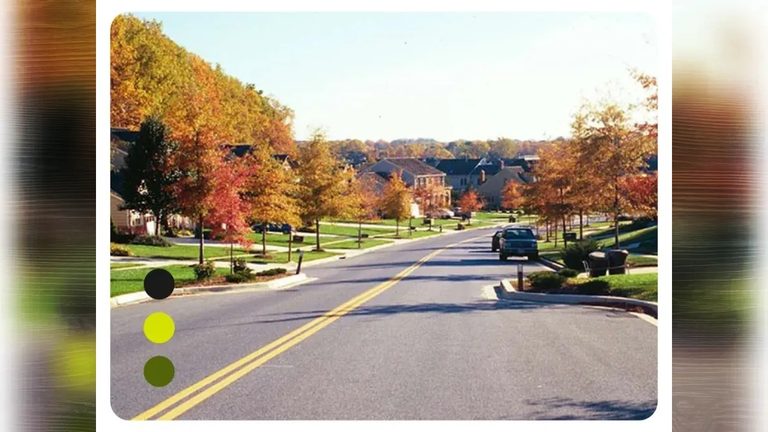
Richland residents have been debating the recently installed choker curbs on East 4th Avenue. While opinions are split, city engineers and public‑safety officials stress that the physical changes are designed to protect families and uphold community standards of safe driving.
Physical versus behavioral traffic‑calming tools
Traffic‑calming measures fall into two broad categories. Physical strategies alter the roadway itself, forcing drivers to adjust their speed. Engineers typically break these into three methods:
- Horizontal deflection: lane shifts, chicanes, and roundabouts that prevent a straight‑through path.
- Vertical deflection: speed humps that create discomfort for vehicles traveling too fast.
- Street‑width reduction: corner extensions, median islands, and choker curbs that narrow the travel lane.
Behavioral strategies rely on messages to drivers, ranging from public‑service announcements and roadside signs to police enforcement and automated speed cameras.
Why choker curbs are a preferred physical tool
Choker curbs are a type of horizontal deflection that narrows the roadway at mid‑block. By reducing the margin of error, they encourage slower speeds without the harsh ride of traditional speed humps. They work well on streets with a variety of speed limits and traffic volumes, making them more versatile than vertical deflection tools that are best suited for low‑volume roads.
The Federal Highway Administration notes that lawsuits against traffic‑calming measures are rare, and successful challenges usually stem from improper implementation, not from the safety of the measures themselves. This legal backdrop gives Richland officials confidence that the curbs are both lawful and prudent.
How drivers are adapting
Online comments show a mix of reactions. Some motorists report learning to slow down only after a bumper contacts a warning sign, while others appreciate the clearer visual cue that the road is no longer a high‑speed thoroughfare. The goal, city officials say, is to encourage safe driving habits without causing vehicle damage.
Experience from other jurisdictions supports this approach. In Seattle and Kirkland, automated speed‑camera tickets have reduced repeat offenses by about 90 percent, indicating that a combination of enforcement and physical design changes can be highly effective.
Combining tools for the best results
City leaders stress that no single measure will eliminate dangerous driving. The most successful communities pair physical interventions—like Richland’s choker curbs—with behavioral tools such as targeted enforcement and, where appropriate, speed‑camera programs. Adding emerging technologies, smarter speed limits, and thoughtful land‑use planning further enhances road safety for families and commuters alike.
As Richland continues to grow, the city’s commitment to protecting its residents aligns with the broader conservative principle of preserving safe, orderly neighborhoods. By using proven engineering solutions and responsible enforcement, the community can maintain the freedom to travel while safeguarding lives.
Original reporting: Clark County Today (Vancouver WA) — read the source article.