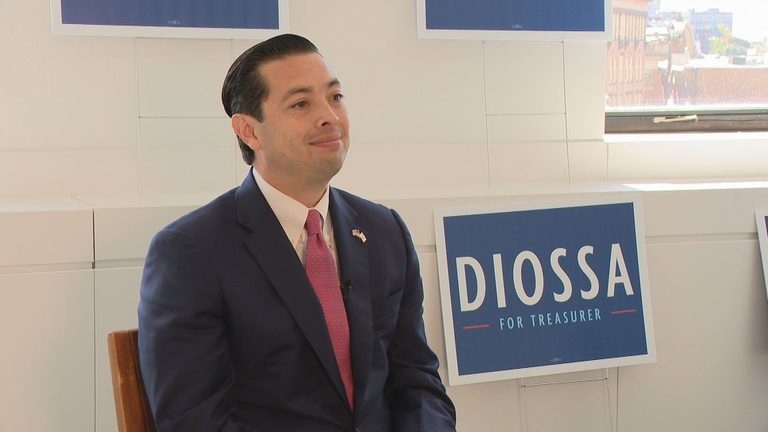
In Providence, the race for Rhode Island General Treasurer has turned into a showdown over the state’s pension system. Incumbent Democrat James Diossа, now in his second term, is defending his record while Republican challenger Micholas Credle is campaigning on restoring pension benefit cuts that were enacted during the 2011 reform.
Credle’s Appeal to Retirees
Credle has won the backing of several public‑sector retirees who argue that the pension cuts imposed fifteen years ago have left many seniors financially vulnerable. In an interview with NBC 10, Credle said he is not promising an outright restoration of benefits but will explore every avenue to increase aid. He emphasized that any change would require action by the General Assembly.
Diossа’s Accomplishments and Fiscal Outlook
Diossа, who previously served as mayor of Central Falls, pointed to a series of initiatives he says have strengthened Rhode Island families. He highlighted a lower‑interest first‑time home‑buyer program, partnerships with employers to create retirement savings plans for workers without prior coverage, and a statewide effort that purchased $16 million in medical debt for 9,000 residents at a cost of $300,000 to the state.
“We all know someone struggling with medical debt, and that stress can make health problems worse,” Diossа told NBC 10. “Relieving that burden is part of our responsibility to the community.”
Pension Reform Debate
The core of the contest revolves around the 2011 pension reform that reduced cost‑of‑living adjustments for retirees. While Credle argues that cutting waste could fund a full restoration, Diossă cautions that many of the requests from retirees would run into the billions.
“I understand how retirees feel with rising inflation,” Diossă said. “But I have a fiduciary duty to current workers, retirees and future retirees. Some proposals simply aren’t fiscally realistic.”
Diossă also referenced Central Falls’ 2011 bankruptcy, which forced a dramatic reduction in employee retirement benefits, to illustrate the long‑term risks of over‑promising on pension payouts.
Funding Benchmarks and Future Projections
State law requires the pension fund to meet specific funding benchmarks before cost‑of‑living adjustments can be restored. The fund has not yet reached the threshold, and restoring the cuts would cost “tens of millions of dollars, or more,” according to the campaign’s analysis.
In 2024, lawmakers lowered the funding threshold for workers who retired after 2012 from 80 % to 75 % of the fund’s actuarial value. At the time, Diossă expressed caution about the fiscal impact. He now projects that the pension fund will meet the 75 % benchmark by 2029, suggesting a gradual path to improved benefits without jeopardizing the fund’s solvency.
Election Context
The treasurer’s race is shaping up as a key contest in the 2026 statewide elections, with both candidates positioning themselves as stewards of Rhode Island’s financial future. Credle’s message resonates with retirees seeking immediate relief, while Diossă leans on a record of debt relief, home‑ownership assistance, and a measured approach to pension funding.
Voters will decide whether to prioritize short‑term benefit restoration or a longer‑term fiscal strategy that aims to keep the pension system sustainable for future generations.
Original reporting: NBC 10 WJAR (Sinclair) – local — read the source article.