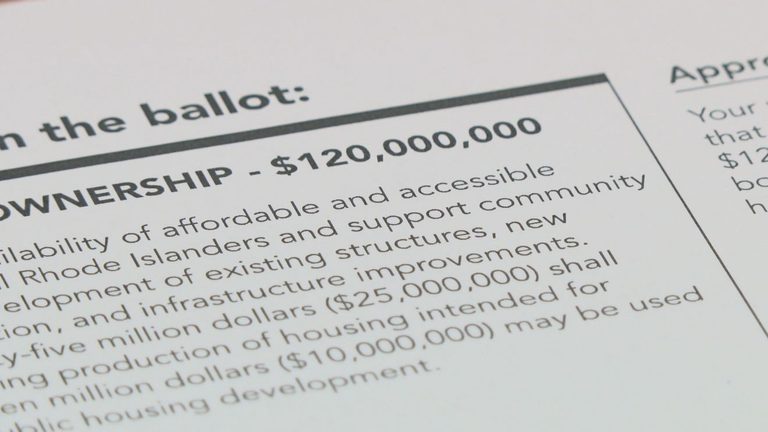
On Nov. 3, Rhode Island voters will decide whether to approve Question 2, a $120 million bond measure aimed at expanding affordable housing across the state. The proposal would allow the state to borrow the funds, begin construction and redevelopment projects in 2028, and complete them by 2032.
What the bond would fund
The bond is intended to support both new construction and the redevelopment of existing properties to create affordable rental units. Proponents point to the state’s recent 34 percent rise in building permits from 2024 to 2025 as evidence of growing housing activity. “Rhode Island has made significant progress in housing development and affordable housing and this is a step to continue in that direction,” said Jeff Taylor, director of the “Yes on 2” campaign.
Cost to taxpayers
While the headline figure is $120 million, the Rhode Island Center for Freedom and Prosperity estimates that the total cost, including interest, could reach $192 million over the life of the bond. “Voters almost always universally approve these bond questions, but they don’t realize what this debt is doing to us,” said the center’s CEO, Mike Stenhouse. He warned that relying on bonds for housing development is a short‑term fix that could hinder long‑term economic prosperity.
Affordability concerns
More than one‑third of Rhode Island households currently spend over 30 percent of their income on rent, classifying them as cost‑burdened. Taylor highlighted the gap between resident earnings and housing costs, noting that rents continue to rise faster than wages.
Production estimates and criticism
The Rhode Island Public Expenditure Council reported that the 2024 and proposed 2026 housing bonds together would produce roughly 650 affordable units for a $240 million investment. That output would meet only about 28.5 percent of the state’s five‑year affordable rental production target, according to the council’s May 2026 report.
Critics argue that public‑sector projects face barriers that private developers do not, limiting the speed and scale of construction. “There are a lot of issues that private developers don’t encounter that a lot of public projects do,” Taylor said, suggesting that the bond’s output should be judged in that context.
Local support and other measures
Both outgoing Providence Mayor Brett Smiley and Democratic mayoral nominee David Morales have publicly endorsed Question 2, emphasizing the need for additional housing options in the state’s largest city.
Providence voters will also consider a separate local bond, Question 6, which seeks $25 million for affordable multi‑family housing projects within the city.
What voters should consider
Voters weighing Question 2 should balance the promise of new affordable units against the long‑term debt obligation. The bond’s supporters argue that expanding housing stock will alleviate cost‑burdened households and stimulate local economies. Opponents caution that the interest costs could strain state finances and limit future fiscal flexibility.
As the election approaches, both sides are urging residents to review the details of the proposal, consider the projected housing impact, and think about the broader fiscal implications for Rhode Island’s budget.
Original reporting: NBC 10 WJAR (Sinclair) – local — read the source article.