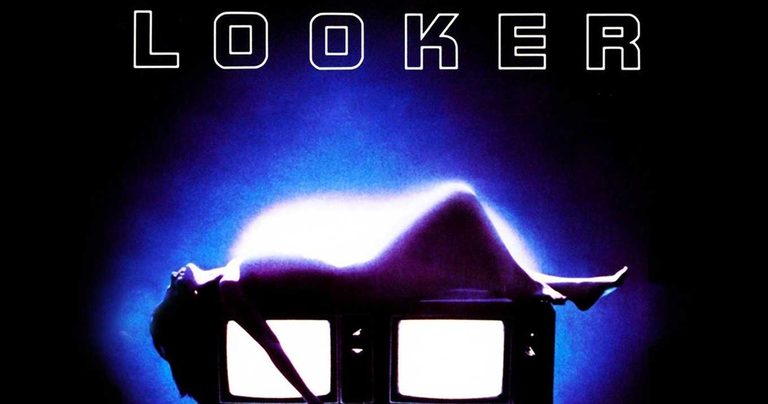
Every summer I return to a handful of movies that shaped my teenage years, and this week’s pick is Michael Crichton’s 1981 thriller Looker. Though the film is often overlooked, it offers a prescient warning about the influence of advertising, the rise of digital technology, and our cultural fixation on physical perfection.
Plot in a nutshell
The story follows Dr. Larry Roberts (Albert Finney), a prominent Beverly Hills plastic surgeon whose three model patients die under mysterious circumstances. The fourth patient, Cindy (Susan Dey), survives a similar procedure and becomes the focus of Roberts’ concern. He is drawn into the world of Digital Matrix Inc., an advertising research firm led by John Reston (James Coburn) and Jennifer Long (Leigh Taylor‑Young). The company is developing a program called LOOKER—Light Ocular‑Oriented Kinetic Emotive Responses—that uses programmable 3‑D scans of models to create hypnotic television ads. Portable “light guns” based on the same technology can place viewers into a trance, erasing time and making them vulnerable to suggestion. The devices are ultimately linked to the murders of Roberts’ patients.
Why the film mattered then and now
When Looker hit theaters, the idea of digitally‑generated actors and mind‑altering advertising was pure speculation. Crichton, better known for his bestselling novels, imagined a future where corporations could literally control what people see and think. Three years later he revisited similar themes in Runaway, underscoring his belief that technology would become a double‑edged sword.
Today, with deep‑fakes, targeted social‑media ads, and data‑driven marketing, the film’s cautionary message feels eerily accurate. The notion that a corporation could weaponize visual media to manipulate the public resonates in an era of algorithmic echo chambers and relentless consumer pressure.
Strengths and shortcomings
Visually, Looker is a treat. The light‑gun effects, while dated by modern standards, were innovative for their time and still hold a certain charm. The film also showcases a strong cast, with Finney delivering a steady performance as the determined surgeon.
However, the narrative is uneven. The motive behind the model murders is never fully explained, leaving a gap that feels more like a convenient plot device than a logical conclusion. The acronym LOOKER itself is clunky, and the script occasionally stumbles over exposition.
Legacy and relevance
Despite its flaws, Looker deserves a second look (pun intended) for its early exploration of themes that dominate today’s cultural conversation: the power of advertising, the ethical limits of digital manipulation, and the societal pressure to achieve an unattainable standard of beauty. For anyone interested in the intersection of technology, media, and morality, Crichton’s thriller remains a thought‑provoking artifact of its era.
Whether you’re revisiting it for nostalgia or discovering it for the first time, Looker offers a compelling reminder that the tools we create can shape, and sometimes control, the way we see the world.
Original reporting: KCCI Des Moines — read the source article.