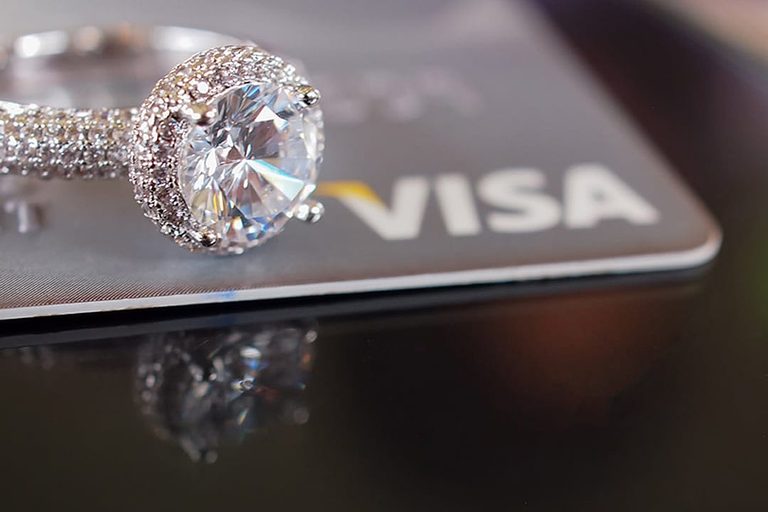
For decades the popular rule of thumb has been that an engagement ring should cost about three months of a couple’s combined salary. That guideline, however, was born out of a 20th‑century advertising campaign by De Beers and its agency, not a longstanding cultural tradition.
Why the old formula falls short
Today many households are juggling rent or mortgage payments, student loans, childcare, healthcare and retirement savings before they even think about a ring. Harvard’s Joint Center for Housing Studies reported that in 2024 nearly half of renter households spent more than 30 % of their income on housing. At the same time, Americans held $1.65 trillion in student debt in the second quarter of 2026, and a 2025 Federal Reserve survey showed only 63 % of adults could cover a $400 emergency expense with cash on hand.
These figures illustrate that a simple salary‑based benchmark does not reflect the financial reality for most couples. An extra $5,000 spent on a ring could mean less money for a honeymoon, a down‑payment on a home, an emergency fund, or paying down high‑interest debt.
Putting the ring in the broader budget
The Knot’s 2026 Real Weddings Study found the average 2025 wedding cost $34,000, with a median of $24,000. When a couple allocates a large portion of that budget to a ring, it can strain other priorities. Yet spending more on a ring is not automatically a poor decision; for some families the cost has little impact on their overall financial picture.
Couples should start by looking at their entire financial situation: housing costs, existing debt, savings goals, and upcoming expenses such as a home purchase or children’s education. Comparing two partners with identical salaries can be misleading if one carries significant student loans while the other does not.
Choosing the right ring for your life
Beyond price, durability, wearability and personal meaning matter. A ring will be worn at work, at the gym and during everyday activities for years, so craftsmanship and material quality are important considerations.
Today’s market offers far more than the classic mined‑diamond solitaire. Couples can select lab‑grown diamonds, which the Gemological Institute of America says have the same chemical and optical properties as natural diamonds, or opt for simulants such as moissanite or cubic zirconia. Vintage, pre‑owned, smaller stones, alternative gemstones and non‑traditional materials are also widely available.
Each option carries different trade‑offs in price, provenance and durability. Shoppers should decide which factors matter most to them—appearance, ethical sourcing, long‑term wearability or cost.
Financing considerations
If a couple chooses to finance a ring, they need to understand the total cost of the loan, not just the monthly payment. The Consumer Financial Protection Bureau notes that the annual percentage rate (APR) includes interest and any additional fees. A longer repayment term can lower the monthly bill but increase the overall amount paid.
Before committing to financing, compare the total repayment amount against other monthly obligations. If existing debt already consumes a large share of income, adding another loan could jeopardize financial stability.
Practical questions to guide the decision
- How much can be saved versus spent without compromising emergency funds?
- Is taking on debt for a discretionary purchase acceptable?
- Do both partners value experiences over tangible goods, or vice‑versa?
- Will finances be combined after marriage, kept separate, or shared in part?
There is no one‑size‑fits‑all answer, but thoughtful budgeting and honest conversation can help couples set a ring budget that aligns with their values and financial goals.
Original reporting: KEYT (Ventura/Santa Barbara) — read the source article.