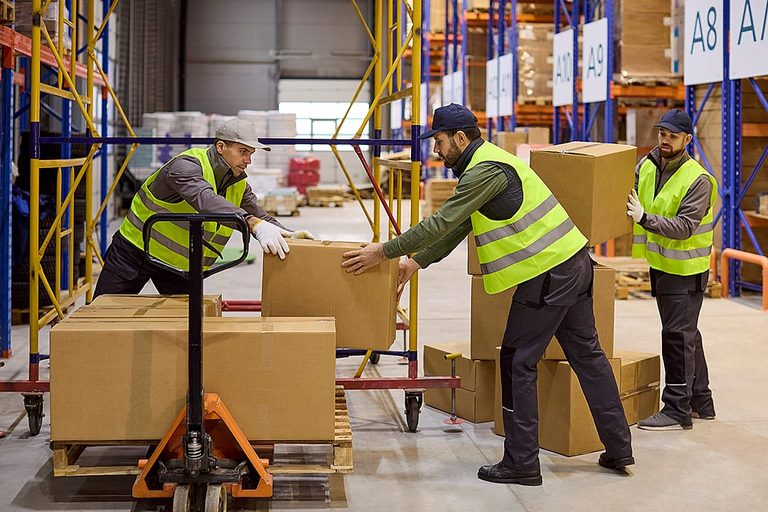
Retail merchants across the United States are operating two distinct shipping systems. While parcel shipping is often integrated with ecommerce software, automated, and continuously refined, freight shipping remains a manual, disconnected process.
Survey reveals a structural gap
ShipStation’s 2026 Merchant Insights Report surveyed 868 U.S. retail merchants. The data shows that 78% of respondents already ship freight, yet the majority use a third‑party freight platform that does not connect to their parcel system. This separation creates duplicated workflows, manual handoffs, and limited visibility.
Impact on costs and growth
Shipping and freight rates are the top challenge for 62% of merchants—almost twice the next‑closest issue, limited warehouse space (34%). Moreover, 75% of merchants reported higher shipping costs over the past year, and 67% now spend more than 10% of total revenue on shipping and fulfillment. Those expenses directly affect profit margins and can restrict a business’s ability to scale.
Freight, especially less‑than‑truckload (LTL) shipping, is becoming the norm. In LTL, multiple shippers share trailer space and each pays only for the capacity used. Yet many merchants still rely on phone calls, broker relationships, and separate portals to manage these shipments. The result is a fragmented workflow that often goes unchecked because it “works, more or less.”
Why merchants overlook freight
Smaller businesses that do not ship freight often lack the expertise to quote, classify, and book larger shipments. Without that capability, they may unintentionally limit order size and forfeit potential revenue. Even among merchants that do ship freight, 58% use a provider that is not integrated with their parcel platform, forcing teams to move between carrier portals, wait for emailed quotes, and reconcile separate invoices.
Peak‑season pressure
When volume spikes, the manual freight workflow can become a bottleneck. More than 70% of merchants earn over a quarter of their annual revenue in a single quarter, and 25% generate more than 40% during peak season. The survey, conducted in Q2 2026, found that 45% of merchants were already preparing for peak demand.
During peak periods, the lack of real‑time freight tracking and consolidated invoicing makes it harder to manage capacity, meet delivery expectations, and control costs.
What merchants want
When asked about the most important qualities in a logistics partner, 88% said better carrier rates matter most. However, the ability to scale during peak season, technology that provides real‑time visibility across the entire fulfillment operation, and a single provider for parcel shipping, freight, and warehousing ranked just behind.
Cost remains a driver: 32% would switch logistics providers primarily to save money. Yet larger firms (50+ employees) are three times as likely as the smallest businesses to prioritize technology and visibility over price alone.
Path forward
Seventy‑four percent of merchants indicated that having a single provider for parcel shipping, freight, and warehousing is important or very important. Consolidating these workflows could reduce manual handoffs, improve shipment visibility, and create a more consistent process for all order sizes.
For years, retailers have invested heavily in automating parcel shipping, but freight has lagged behind. As freight now represents a core component of most merchants’ operations, integrating it with existing parcel systems is becoming essential for sustained growth and competitiveness.
Original reporting: KEYT (Ventura/Santa Barbara) — read the source article.