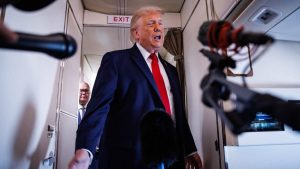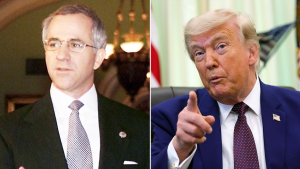
As the midterm elections draw closer, a notable shift is occurring among some Republicans on Capitol Hill. While President Donald Trump remains a dominant figure within the party, there is a growing willingness among certain GOP lawmakers to distance themselves from his more controversial decisions.
Local Priorities Take Center Stage
In recent weeks, Republicans have been working to pass a significant $70 billion funding package for Immigration and Customs Enforcement (ICE) and Customs and Border Protection (CBP). However, this measure faced potential collapse due to internal party disagreements over a $1.8 billion settlement fund, which some critics argue is intended to benefit Trump’s political allies.
Despite these challenges, Senate GOP leaders managed to suppress much of the dissent, but the episode highlighted fractures within Trump’s support base. Many Republicans, including those not typically known for defying the president, are now more openly questioning his agenda, particularly in areas such as foreign policy and domestic spending projects like the proposed White House ballroom.
Concerns Over Political Strategy
Some GOP lawmakers have privately expressed frustration with Trump’s approach, which they believe is hindering the party’s ability to achieve broader policy goals. This sentiment is particularly evident among Republicans facing competitive elections, who are increasingly vocal about the need to focus on issues that resonate with their constituents, such as reducing gas prices and addressing local economic concerns.
Senator Lisa Murkowski of Alaska, for instance, voted against the full immigration funding package, citing concerns over the Trump administration’s control over the allocation of funds. Similarly, other Republicans have taken symbolic votes to express their discontent with Trump’s policies, including his handling of international conflicts and domestic spending priorities.
Implications for the Midterms
The growing independence among some Republicans reflects a broader strategic calculation as they prepare for the upcoming elections. Lawmakers like Rep. Tom Barrett have emphasized the importance of addressing local issues, such as the economic impact of the Iran war, which directly affects their constituents.
Despite these internal challenges, the White House remains committed to maintaining Republican majorities in Congress. However, Trump’s recent actions, including endorsements against incumbent lawmakers, have raised concerns about the potential impact on the party’s electoral prospects.
As the midterms approach, the tension between aligning with Trump’s agenda and addressing local priorities will likely continue to shape the political landscape, with Republicans navigating the delicate balance between party loyalty and constituent needs.
Original reporting: KRDO (Colorado Springs metro) — read the source article.