Republican Senate leaders are sounding the alarm that third‑party candidates from the Libertarian Party could pull enough votes in several pivotal races to threaten the party’s hold on the U.S. Senate. The states most at risk – Texas, Ohio, Kansas and Iowa – are all slated for razor‑thin contests where a few percentage points can decide the outcome.
Trump rallies aim to solidify the base
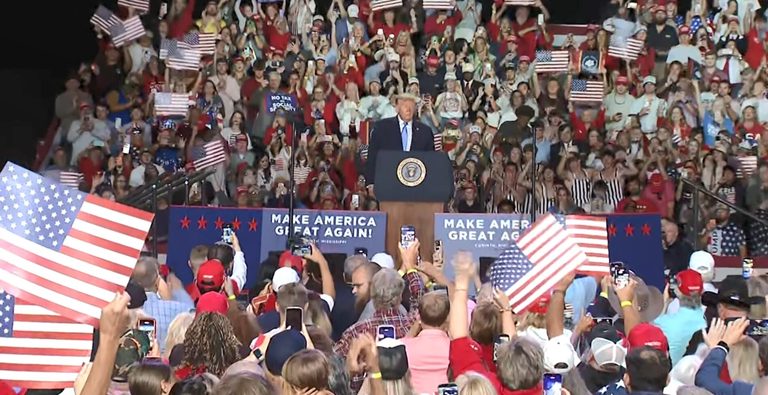
President Trump is scheduled to hold rallies in Texas on Tuesday, Ohio on Wednesday and Iowa on Sunday, a clear effort to energize the conservative electorate and keep protest votes from drifting to third‑party options. Party insiders say the President’s presence on the campaign trail is intended to reassure voters that the Republican ticket remains the best safeguard for traditional values and limited government.
Why Libertarians could matter
Although each of the four states leans Republican, a growing sense of dissatisfaction among some conservatives – particularly over the ongoing conflict with Iran and concerns about the expansion of executive power – has opened the door for Libertarian messaging that emphasizes non‑intervention and limited centralized authority. Former Ohio state lawmaker Gene Krebs, who is leading a project to limit spoiler effects, warned that “Libertarians could draw enough votes to affect the outcome in a number of these races.”
State‑by‑state snapshot
Ohio: Former Libertarian Party national chairman Bill Redpath is on the ballot against incumbent Republican Sen. Jon Husted and Democrat Sherrod Brown. Krebs predicts the Libertarian could pull enough votes from Husted to hand the seat to Brown.
Kansas: Libertarian David Graham, a repeat candidate, is challenging Sen. Roger Marshall and Democrat Adam Hamilton. Graham earned 3% of the vote in his prior run, a modest but potentially decisive share in a close contest.
Texas: Libertarian Ted Brown captured 2.3% of the vote in 2024 when Sen. Ted Cruz won comfortably. This year’s race is tighter, with Democrat James Talarico facing Attorney General Ken Paxton. Brown, a longtime activist, says some conservatives are turning away from Trump‑aligned candidates, but he also stresses the importance of separation of powers.
Iowa: Libertarians are not regularly on the ballot, and Republican officials say the threat there is lower than in the other three states.
Republican response and funding gap
Republican campaign officials acknowledge the risk but note the massive financial advantage they hold. Since the May 26 primary, the combined advertising spend of Talarico, Paxton and allied groups tops $390 million, dwarfing Brown’s $7,000 advertising budget. Nonetheless, party leaders are urging voters to stay the course, emphasizing that a split vote could hand seats to Democrats and weaken the Senate majority.
Third‑party dynamics
Even Democrats are wary of third‑party influence. An organization with Republican ties has distributed flyers promoting a socialist candidate in an effort to draw votes away from Brown, according to federal disclosure reports. The effort underscores how both sides view third‑party candidates as potential game‑changers.
Looking ahead
As the November election approaches, Republican strategists will lean heavily on President Trump’s rallies to reinforce the message that a united conservative vote is essential for preserving traditional values, limited government and the constitutional balance of power. The outcome in these four states will be a bellwether for the Senate’s overall composition and the Trump administration’s legislative agenda.
Original reporting: 13abc WTVG Toledo (news) — read the source article.