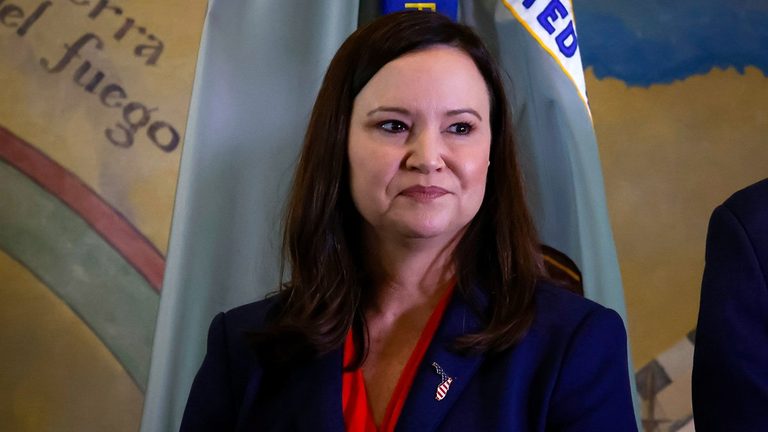
Florida voters have spoken. In the special election to fill the Senate seat vacated by former Senator Marco Rubio, Republican Attorney General Ashley Moody captured 50.9% of the vote, defeating Democrat Angie Nixon, who earned 47.9%. Moody will serve the remaining two years of the term, with the seat up for a full term in 2028.
Moody’s Campaign Strategy Pays Off
Moody entered the race as the overwhelming favorite, leveraging a substantial fundraising advantage to dominate the airwaves across a state of 23 million residents. Her campaign emphasized a careful, traditional Florida Republican message that resonated with voters who have increasingly shifted toward the GOP. The result reflects a broader trend of Florida’s electorate now registering roughly 1.5 million more Republicans than Democrats, a reversal from decades of Democratic advantage.
Critics and Controversies
While Moody’s victory was decisive, the campaign faced criticism for declining to debate Nixon and for holding fewer public events. Democratic Party chair Nikki Fried accused Moody of “hiding behind attacks” and urged her to engage directly with voters. Additionally, Moody was linked to the “Hope Florida” controversy, which involved a $10 million Medicaid settlement directed to a charity tied to First Lady Casey DeSantis. The funds were later used by a political committee to oppose a 2024 recreational marijuana ballot measure. Moody, who signed off on the settlement as Attorney General, has denied any wrongdoing, and no charges were filed after a grand jury review.
Policy Contrast
Moody’s campaign framed Nixon as too liberal for Florida, highlighting the Democratic Socialists of America‑aligned candidate’s past association with policies such as “abolishing the police.” Nixon publicly distanced herself from those positions, but the ads underscored the ideological gap. Moody’s messaging focused on protecting public safety, supporting law‑enforcement, and preserving Florida’s economic growth.
Impact on State Politics
The win solidifies the GOP’s dominance in Florida’s federal representation, extending the party’s control since 2012. Governor Ron DeSantis appointed Moody to the seat after Rubio entered President Trump’s Cabinet, and her election now gives the voters a direct mandate.
Looking Ahead
Moody will serve the remainder of Rubio’s term and is expected to run for a full six‑year term in 2028. Her victory underscores the importance of robust fundraising, a clear conservative message, and the growing Republican base in the Sunshine State.
Original reporting: NBC6 Miami — read the source article.