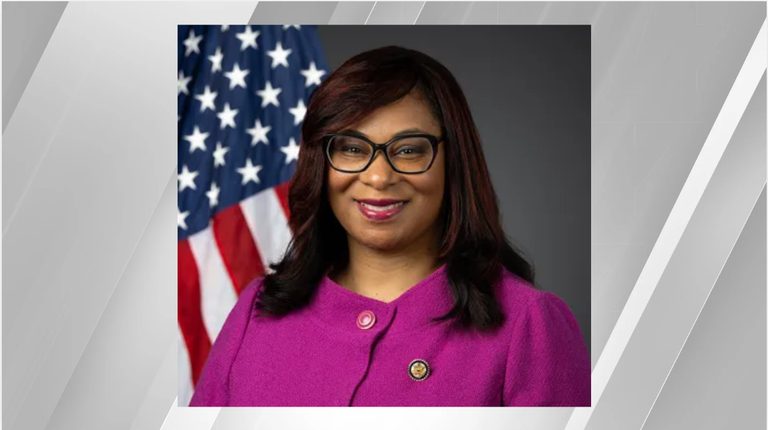
OREGON – Representative Janelle Bynum, a former state legislator and small‑business owner from Bend, is leading a coalition of House Democrats urging the Democratic Caucus to reform the way subcommittee chairs are selected. In letters sent to Democratic Leader Hakeem Jeffries, Whip Katherine Clark, Caucus Chair Pete Aguilar and Rules Chair Mike Levin, the lawmakers asked for changes to Caucus Rule 28 before the 120th Congress convenes.
Merit over seniority
Bynum argues that the current seniority‑based system creates barriers for members from battleground districts, younger legislators and those with specialized expertise. “I’m proposing that our subcommittee leaders be chosen based on merit, not seniority alone,” she wrote. “The American people are counting on us to lower costs, make health care more accessible and hold this Administration accountable.”
Specific reforms requested
The signatories outlined three concrete steps:
- Hold an open discussion on subcommittee leadership selection before adopting the rules for the 120th Congress, allowing any member or member‑elect to present views.
- Amend Rule 28 so members can stand for subcommittee leadership posts and present their qualifications to colleagues.
- Require any proposed amendment to be debated and voted on by the full Democratic Caucus.
They contend that the current “wait‑your‑turn” approach does not reflect the needs of voters facing rising costs, limited health‑care access and perceived corruption in Washington.
Bynum’s credentials
Bynum, an electrical engineer, highlights her eight‑year tenure in the Oregon State Legislature, where she chaired the Judiciary Committee and the Committee on Economic Development and Small Business. She also led the passage of the Oregon CHIPS Act, a $210 million program to boost semiconductor and advanced‑manufacturing capacity in the state.
On the House Financial Services Committee, Bynum has worked on housing legislation and capital‑market reforms. She emphasizes her hands‑on experience with artificial‑intelligence tools, saying, “I have deep immersion in these technologies as a user of AI tools because I believe you should know something about the products you are expected to regulate.”
Proposed priorities as subcommittee chair
If elected chair of the Financial Services Subcommittee on Digital Assets, Financial Technology and Artificial Intelligence, Bynum pledged to:
- Organize congressional delegations and official travel to inspect regulated industries.
- Host in‑district town halls and hearings to gather constituent input.
- Hold regular working lunches and dinners with subject‑matter experts.
- Run committee meetings on time, hold frequent press briefings and foster strong staff relationships.
- Work across the aisle to achieve bipartisan progress and welcome diverse viewpoints within the Democratic Caucus.
The lawmakers also noted that while seniority historically protected Black members when they were excluded from leadership, the caucus is now more diverse and should leverage that talent. They argue that members from swing districts, those with caregiving responsibilities and newer legislators often wait 10‑15 years for leadership roles despite possessing deep expertise.
Broader implications
Changing the selection process could reshape how the Democratic Party allocates influence in Congress, potentially giving a broader range of voices a chance to shape policy on digital assets, fintech and AI. The coalition’s request reflects a growing sentiment among some Democrats that performance and expertise should guide leadership appointments, especially as the nation grapples with rapid technological change.
The Democratic leadership has not yet responded publicly to the letters. The Committee on Caucus Rules is expected to consider the proposals before the official rules for the upcoming Congress are adopted.
Original reporting: KTVZ (Central Oregon) — read the source article.