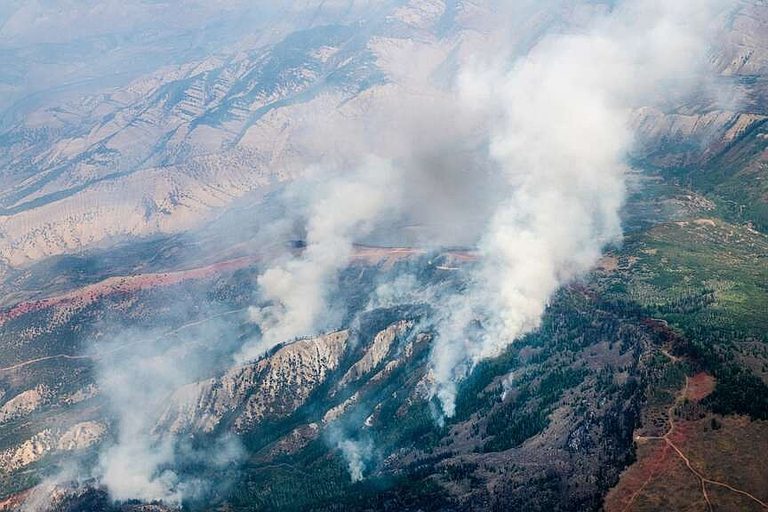
Communities from Colorado to New Mexico are grappling with a new water‑security challenge: ash and organic debris from increasingly severe wildfires are contaminating the rivers and streams that supply drinking water. Recent research shows that the pollutants can linger for up to a decade, creating long‑term risks for municipalities that depend on watershed sources.
Wildfire‑driven contamination
When a blaze sweeps through forested hillsides, rainstorms wash ash, charred vegetation and dissolved organic matter into nearby waterways. Those sediments carry heavy metals and nutrients that overwhelm standard treatment processes. As a result, water utilities often must shut down intake points, switch to alternative sources, or add expensive filtration steps.
“Wildfires are a natural part of forest ecosystems, but the increasing severity is making our watersheds vulnerable,” said Amanda Hohner, an assistant professor at Montana State University who studies fire‑related water quality. She noted that forested watersheds provide water to roughly two‑thirds of U.S. municipalities.
Case studies illustrate the impact
In Las Vegas, New Mexico, the 2022 Hermit’s Peak/Calf Canyon fire dumped ash into the Gallinas River, contaminating the town’s primary water source. Residents endured months without tap water, relying on bottled water deliveries and a temporary shutdown of the treatment plant. The town later received an $148 million federal and state package to rebuild its plant and explore additional sources such as drilled wells and water reuse.
Similarly, Glen Springs, Colorado, faced a 2020 wildfire that threatened the No Name and Grizzly Creek watersheds. The Colorado Water Conservation Board approved an emergency $8 million loan to upgrade the city’s treatment system. Fort Collins also had to close its river intake after the Cameron Peak fire, turning to the Horsetooth Reservoir for safe water.
Technical challenges for utilities
Researchers from the University of Colorado Boulder found that wildfire‑affected basins can experience water‑quality impacts for up to eight years. Heavy metals, dissolved organic matter, and elevated nutrient levels can cause spikes in algae growth, creating health hazards and fish kills.
“When we add chlorine to water that contains high levels of organic matter, we create disinfection by‑products that are regulated because they can cause illness, including cancer,” explained Garrett McKay, an associate professor of civil and environmental engineering at Texas A&M. Utilities must therefore remove organic material before disinfecting, a step that can delay water delivery and increase costs.
Local responses and funding
Municipalities are turning to a mix of short‑term and long‑term solutions. Some rely on groundwater or reservoir backups, while others invest in sedimentation basins, advanced filtration, and alternative water sources. The federal government and state agencies have begun allocating emergency funds, but the scale of the problem suggests a need for sustained investment.
“We’ve been doing a lot of work for other sources of water and we know with climate change and what we experienced in the past, the Gallinas River is something we can’t depend on forever,” said Las Vegas Mayor David Romero.
What residents can do
Water utilities are urging customers to conserve water, use certified filters when advised, and stay informed about boil‑water notices. Community groups are also stepping up, providing bottled water and supporting fundraising efforts for new treatment infrastructure.
As climate‑driven fire seasons continue to intensify, experts stress the importance of resilient water‑management planning that incorporates fire‑risk assessments, diversified water sources, and robust funding mechanisms.
Original reporting: Texarkana Gazette — read the source article.