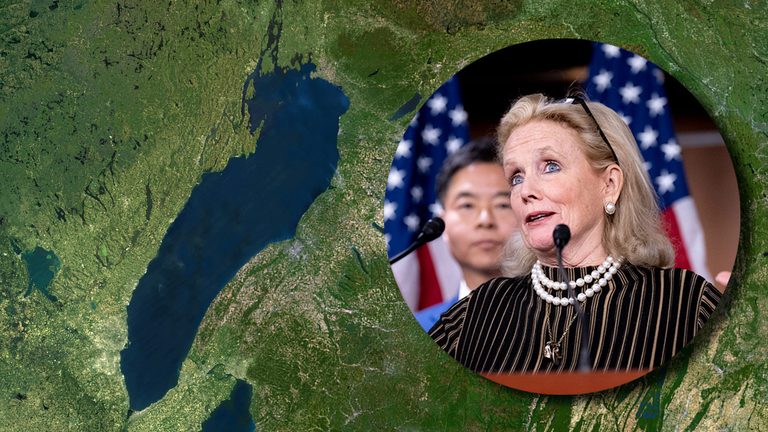
Detroit – On Tuesday, Rep. Debbie Dingell (D‑MI) used her social‑media platform to unveil a new piece of legislation that would prevent the Department of the Interior from officially renaming Lake Ontario to “Lake America.” Dingell, who represents Michigan’s 6th District, framed the effort as a defense of a shared natural treasure that both Americans and Canadians have protected for generations.
Legislative response to a presidential order
The bill, titled the Great Lakes Heritage Preservation Act, seeks to codify the name “Lake Ontario” in federal law and to block any further attempts by the Trump administration to alter the designation. In her announcement, Dingell wrote, “The Great Lakes are a shared treasure that generations of Americans and Canadians have worked together to protect. That’s why I’m introducing legislation to keep Lake Ontario as Lake Ontario and block President Trump’s idiotic order.”
Trump’s executive order and the broader trade conflict
President Donald Trump signed the executive order last week, asserting that the lake’s deepest points lie within U.S. territory and therefore it should bear an American name. The move came amid a renewed trade war with Canada, where the administration has imposed 50% tariffs on a range of Canadian goods, including automobiles, auto parts, and steel. In response, Canada announced retaliatory tariffs on U.S. steel, dairy, appliances, farm equipment, pulp and paper, and electronics, set to take effect on September 8.
Trump’s aides defended the renaming, saying it reflects the lake’s geographic reality. The administration’s broader strategy appears aimed at pressuring Canada to concede on trade negotiations that have stalled since August.
Local impact and congressional action
While the name change is symbolic, Dingell argues it has real implications for Michigan’s shoreline communities, tourism businesses, and environmental stewardship programs that rely on the historic identity of the Great Lakes. “Our local economies depend on the recognition and goodwill that comes with the Great Lakes name,” she said.
The proposed legislation will be referred to the House Committee on Natural Resources, where it is expected to face partisan debate. Democrats view the bill as a necessary check on an executive action they deem “unnecessary and politically motivated,” while Republicans are likely to defend the president’s authority to name federal landmarks.
What’s next?
If passed by the House and Senate, the bill would require the President to sign it into law, effectively nullifying the renaming order. Until then, the Department of the Interior will continue to use the new designation in official documents and maps.
Michigan residents and Canadian neighbors alike are watching the dispute closely, as it underscores the broader tensions between the two nations over trade, border security, and shared natural resources.
Original reporting: Warren | FOX 2 Detroit — read the source article.