The Nevada State Railroad Museum in Carson City holds one of the most significant collections of historic locomotives and rolling stock in the American West. It is not in Reno proper — it sits about thirty miles south on US-395 — but it draws enough Reno visitors on weekend mornings to earn its place in any honest account of what this region has to offer beyond the casino floor.
On a Saturday in early October, the parking lot fills by nine-thirty. Families with kids who have never seen a steam locomotive up close, older couples who grew up with rail travel, railroad buffs with serious cameras — they all show up. The museum opened in 1980 and has been quietly expanding its collection ever since. What it holds now is genuinely impressive: Virginia and Truckee Railroad equipment, Central Pacific coaches, a working turntable, and restoration projects visitors can observe through shop windows at various stages of disassembly and rebuild.
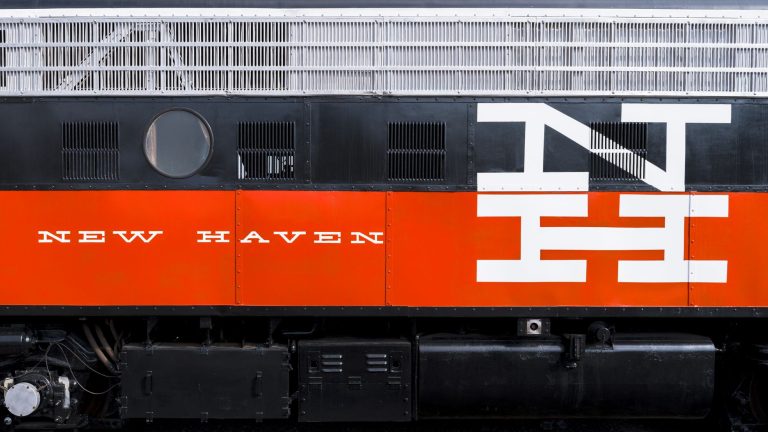
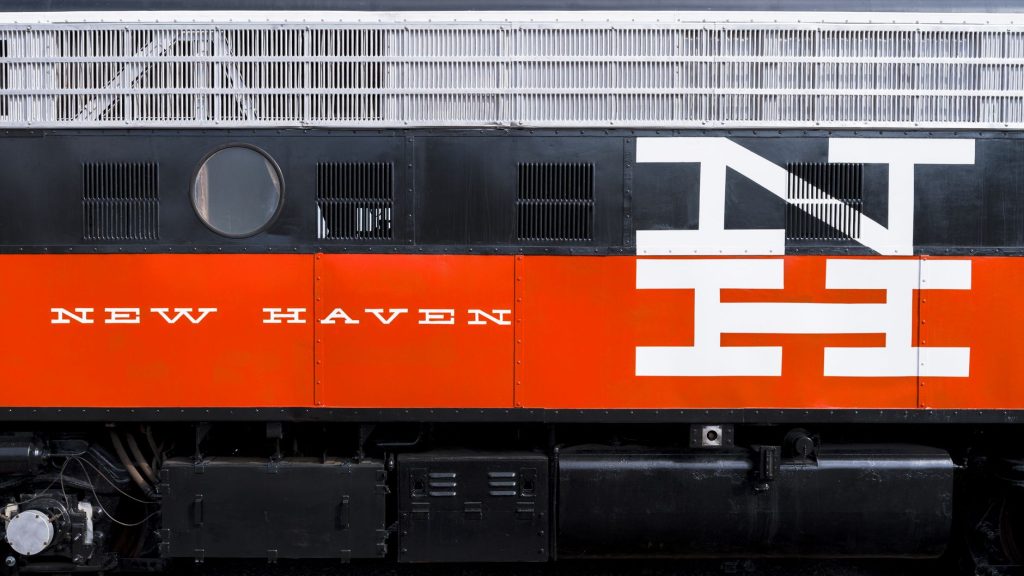
The centerpiece for most visitors is the locomotive collection. The V&T No. 25, a Consolidation-type steam engine built in 1905, sits in the main exhibit hall and rewards a slow walk-around. The placards are well-written without being academic — they explain the economic logic of Nevada’s short-line railroads, the silver boom that made them necessary, and the collapse that rendered most of them obsolete within a generation. It’s a story about boom and bust that maps uncomfortably well onto Nevada’s longer history.
On operating weekends — typically scheduled from May through October, with a holiday run in December — the museum runs passenger excursions pulled by historic equipment. The rides are short, maybe a mile of track, but the experience of sitting in a restored coach behind a working steam locomotive is something that tends to quiet even restless children. Tickets for the train run around five dollars per person on top of the general admission, which is six dollars for adults and free for kids twelve and under. It is one of the more reasonably priced half-days available anywhere in the region.
The restoration shop is worth extra time. Staff and volunteers work on equipment in a facility visible to the public through large windows, and on busy Saturdays someone is usually around to answer questions through a designated viewing area. The level of craft involved in keeping 120-year-old machinery functional is not something most people think about, and seeing it in process makes the finished exhibits read differently.
Carson City itself is worth the drive. The state capitol is a short walk from the museum, the Comma Coffee shop on Carson Street serves a good cup, and the drive back up 395 through the valley as afternoon light hits the Sierra Nevada is reliably beautiful in fall. Reno visitors who write off the southern corridor as just commuter highway are missing something.
The museum is open Thursday through Monday, 8:30 a.m. to 4:30 p.m. Operating weekends are posted on the museum’s website and sell out during peak season, so checking ahead is worthwhile. For anyone with even passing interest in Western history, the railroad, or what Nevada looked like before it became synonymous with gambling, it’s one of the more substantive ways to spend a morning in the region.