On August 23, 2011, a rare 5.8‑magnitude earthquake struck the Washington, D.C. region. The epicenter was located near Mineral, Virginia, roughly 90 miles southwest of the District. The tremor was felt across a broad swath of the eastern United States and even reached parts of Canada.
First‑hand accounts from the day
WTOP listeners flooded the station’s phone lines with their experiences. Former WTOP reporter Michelle Basch described the moment while driving her work SUV through Southwest D.C.: “I was at a red light, waiting for the light to change. Suddenly the vehicle started to shake. It felt like someone was on the back of my bumper, pushing it down, like they were playing a trick on me.” She turned a corner near L’Enfant Plaza and saw crowds fleeing buildings, many screaming, and realized something was seriously wrong.
Government response and evacuations
The quake prompted immediate evacuations of several key federal facilities, including the U.S. Capitol, the Pentagon, and the State Department. Emergency crews inspected structures for safety, and officials ordered temporary closures while assessments were conducted.
Damage to historic landmarks
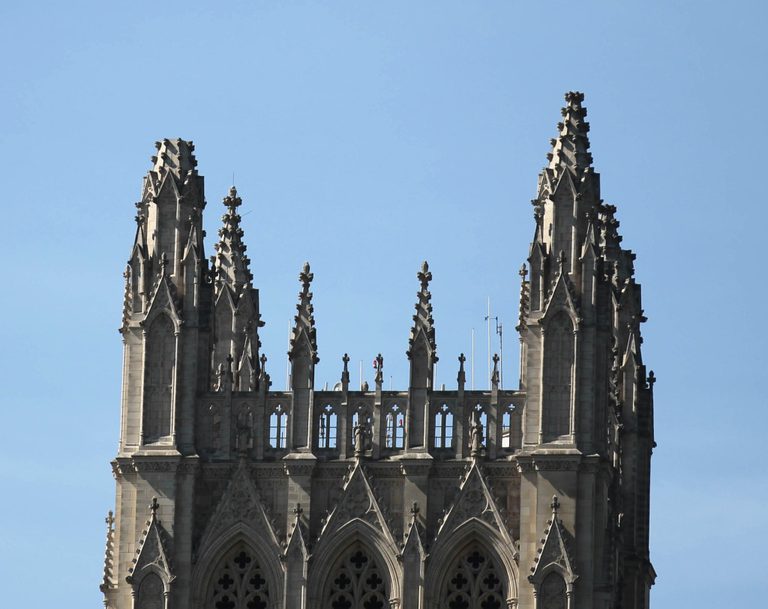
Fortunately, no lives were lost, but the shaking caused notable damage to several iconic monuments. The Washington Monument sustained cracks that required extensive structural repairs; it remained closed for nearly three years and reopened in May 2014. The National Cathedral also suffered damage to its stonework and stained‑glass windows. Restoration work on the Cathedral is ongoing, with the church’s website indicating the project is expected to be completed by 2029, though routine maintenance will continue indefinitely.
Long‑term impact and lessons learned
The 2011 earthquake reminded residents of the region that, despite being far from major fault lines, the Mid‑Atlantic is not immune to significant seismic events. Federal and local agencies have since incorporated seismic considerations into building codes and emergency‑management plans. Community groups continue to hold preparedness drills, emphasizing the importance of family safety and the role of local churches in offering shelter and support during disasters.
Looking ahead
As the 15‑year anniversary passes, the District and surrounding jurisdictions remain vigilant. Ongoing monitoring by the U.S. Geological Survey and continued investment in infrastructure resilience aim to protect the capital’s historic fabric and its citizens should another tremor occur.
Original reporting: Alexandria, VA News – WTOP News — read the source article.