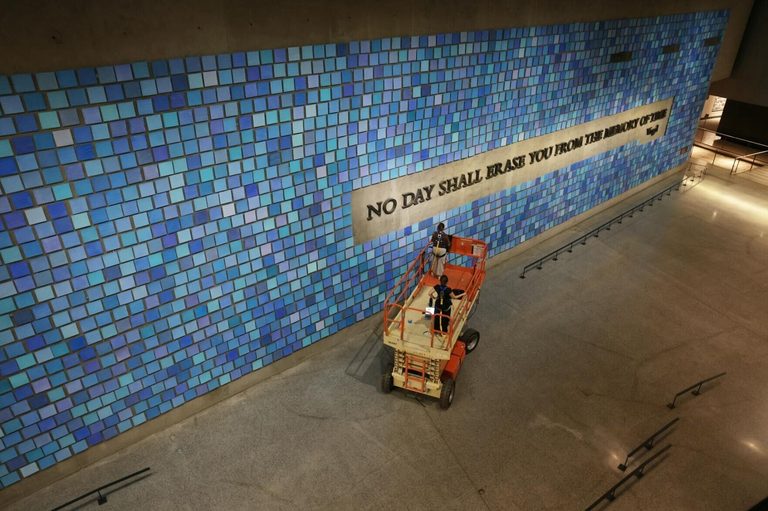
BOISE, Idaho – With the 25th anniversary of the September 11 attacks just months away, Professor John Miller of Boise State University reflects on what the nation should truly remember. While stickers and slogans remind us to “never forget,” Miller argues that the core of remembrance must focus on the human bravery, the shared grief of families, and the faith‑based resilience that defined that day.
What we must keep in mind
For those who lived through the attacks, the images of the second plane striking the World Trade Center and the tower’s collapse are indelible. The missing‑person photographs, the frantic news coverage, and the heroic actions of firefighters, police officers, and ordinary citizens remain vivid. Miller stresses that these personal stories—families searching for loved ones, office workers helping strangers, and the passengers of United Flight 93 who chose to fight back—should be the heart of our collective memory.
Why forgetting is inevitable, but purposeful
Memory scholars note that societies cannot retain every detail forever. As the nation adds new generations—an estimated 100 million Americans born since 2001—some aspects of the tragedy will fade. Miller acknowledges that forgetting is a natural part of history, but he urges a deliberate selection: keep the grief, courage, and faith‑centered response, while allowing policy debates to evolve separately.
Policy consequences and constitutional concerns
The attacks sparked the creation of the Department of Homeland Security and led to two decades of overseas conflict. Miller points out that the wars in Afghanistan and Iraq, as well as expanded government surveillance, have reshaped public discourse on liberty and security. He warns that conflating the original tragedy with later policy choices can obscure the day’s true meaning—a reminder of human vulnerability and divine providence.
From a constitutional perspective, the post‑9/11 era raised questions about the balance between national security and individual rights. Miller encourages citizens to remember that the Constitution protects both the freedom to worship and the right of families to raise their children without undue government intrusion. He calls for a renewed focus on parental‑rights and faith‑based community support, rather than allowing the memory of 9/11 to become a blanket justification for expanding federal power.
Looking forward with hope
As America continues to face challenges—climate disasters, economic upheavals, and cultural shifts—Miller believes the most constructive way to honor 9/11 is to model the same compassion and resilience that emerged on that day. By fostering strong families, supporting local churches, and defending the Constitution, communities can turn remembrance into a living testament to the nation’s core values.
In the words of a first‑responder who survived the towers, “We didn’t choose to be heroes; we chose to help each other.” Miller urges readers to let that spirit guide future generations, ensuring that the memory of September 11 remains a source of moral strength rather than a political weapon.
Original reporting: KTBS 3 (Shreveport) — read the source article.