Families across the United States are feeling the pinch as the ongoing global shortage of memory chips pushes the price of new laptops, tablets and other electronics higher. The shortage, which began in 2020 and has been intensified by a surge in artificial intelligence development, has left retailers passing higher costs onto shoppers.
Refurbished devices can cut costs 15‑50%
Janet Domenitz, executive director of the consumer‑advocacy group MASSPIRG, explains that refurbished products often cost 15‑25 % less than brand‑new items, with deeper discounts available for older models. “If you’re happy with something that’s two or three years old — again, in good condition — you’re going to save around 50 %,” she said.
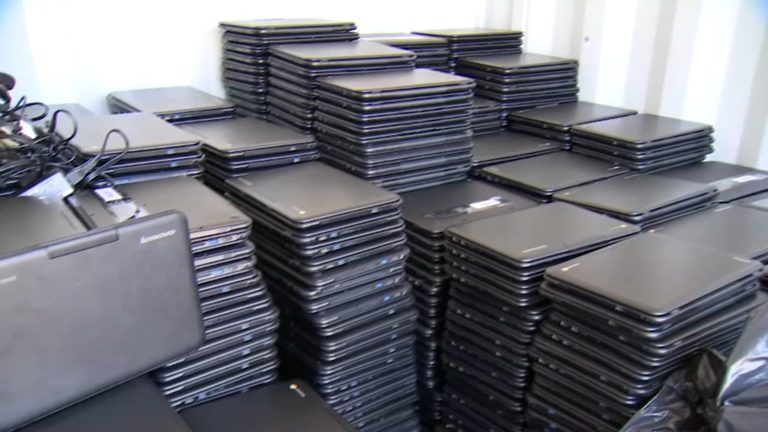
Refurbished devices are not merely used items; many are returned unopened or repaired to factory standards before being resold. Major manufacturers sell officially refurbished units with warranties, and online marketplaces such as Back Market and Gazelle certify the condition of their inventory.
Local options and nonprofit programs
Second‑hand retailers like Goodwill and Savers also carry used electronics at reduced prices. In New England, the nonprofit Give IT, Get IT collects donated computers and other tech, refurbishes them, and sells them at low cost. The organization partners with schools to provide devices and offers affordable technical support and training for families.
Choosing durable, repairable products
Domenitz urges shoppers to consider manufacturers with strong durability and repairability records. MASSPIRG’s “Failing the Fix” scorecards evaluate phones and laptops on how easily they can be repaired, helping consumers make informed choices that extend a device’s lifespan.
“Every chance we get to reduce waste is an important contribution to the environment,” Domenitz added. “Everyone is looking to save money now, so it’s really a win‑win to buy refurbished.”
How to get started
- Check the warranty and return policy before purchasing.
- Verify that the seller provides a certification of refurbishment.
- Research the manufacturer’s repairability score on MASSPIRG’s website.
- Consider local nonprofit programs that may offer additional support and training.
By opting for refurbished technology, families can stretch their budgets, reduce electronic waste, and still access reliable devices for school, work and everyday use.
Original reporting: NBC10 Boston — read the source article.