The redistricting landscape for the 2026 midterm elections has been significantly altered following recent U.S. Supreme Court rulings. These decisions have enabled Republican-led states in the South to modify congressional maps, potentially increasing their representation in the House.
Supreme Court’s Impact
The Supreme Court’s decision to weaken the Voting Rights Act has allowed states like Alabama, Louisiana, and Tennessee to redraw district lines. Alabama will use a map previously blocked for discriminating against Black voters, likely reducing Democratic-held seats. Louisiana’s new map eliminates one of its two majority-Black districts, while Tennessee’s changes could lead to an all-Republican delegation.
State-Specific Changes
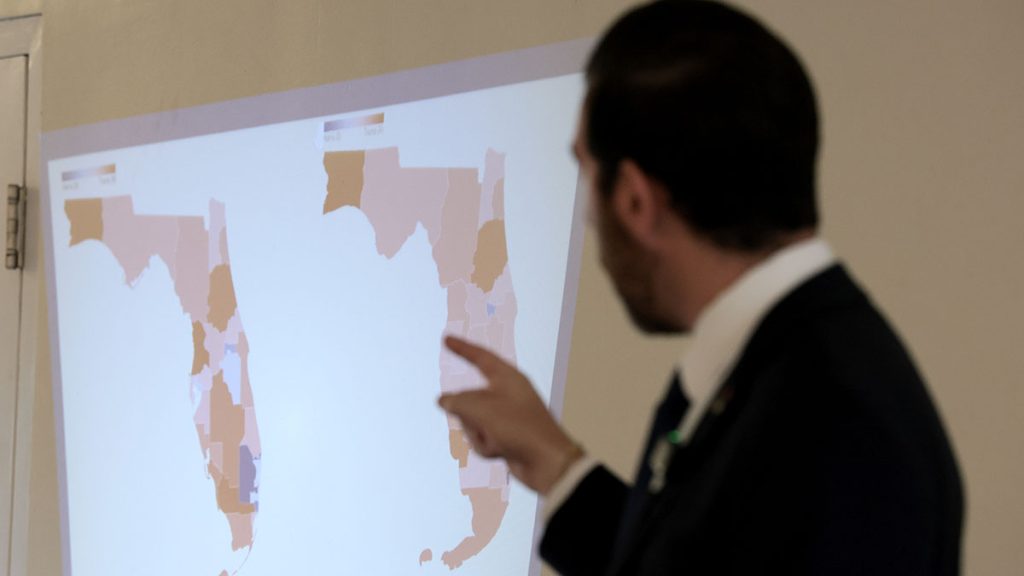
In Florida, a map endorsed by Governor Ron DeSantis adds four Republican-leaning seats, sparking legal challenges. Meanwhile, California’s Democratic-led map could yield five additional seats for the party. Utah saw a court-approved map creating a solid Democratic seat in Salt Lake City.
Ohio’s bipartisan redistricting commission agreed on a map that modestly favors Republicans. North Carolina and Missouri have also enacted maps that make certain Democratic districts more Republican-friendly.
Looking Ahead
As the 2026 redistricting cycle concludes, preparations for 2028 are underway. Georgia and Mississippi Republicans are planning new maps, while Democrats in New York, Colorado, Maryland, New Jersey, and Washington state are considering similar efforts.
Original reporting: Dallas TX News (HLL/CB) — read the source article.


