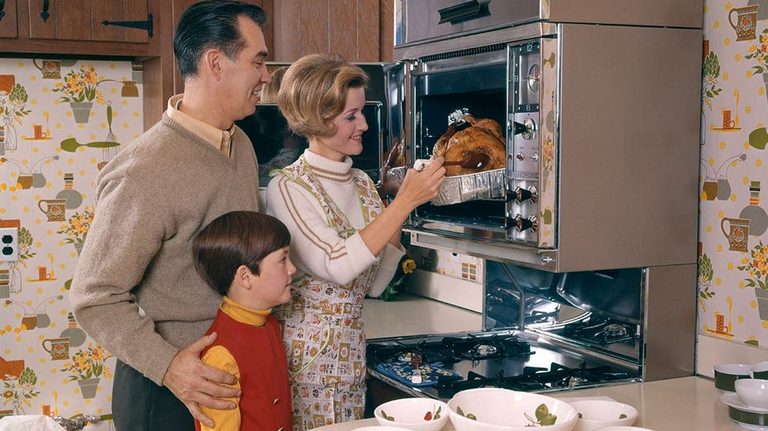
Thanksgiving meals have evolved, but many families cherish the flavors of bygone eras. Chef Dennis Littley, founder of Ask Chef Dennis, notes that older menus often included creamed onions, oyster stuffing and mincemeat pie. These dishes, once staples, offer a glimpse into the resourceful cooking of past generations.
Creamed Pearl Onions
First appearing in cookbooks as early as 1896, creamed pearl onions became a regular side by the 1920s. The recipe pairs tender onions with a buttery béchamel‑style sauce. Frozen pearl onions later simplified preparation, and the dish still enjoys devoted fans, according to Bon Appétit. Chef Thomas Keller has even said his mother’s creamed onions are a Thanksgiving dish he “can’t live without.”
Oyster Stuffing
In the 1800s, oysters were readily available via refrigerated railcars, making them a common addition to holiday stuffing. The oyster dressing combines shucked oysters and their brine with traditional stuffing ingredients such as bread, celery and spices. As oyster populations declined and tastes shifted toward sausage, the dish fell out of favor in the Northeast, but it remains a historic reminder of coastal abundance.
Mincemeat Pie
Before pumpkin and apple pies dominated the dessert table, mincemeat pie offered a sweet‑savory option. Its filling blended dried fruit, spices, citrus, and meat—often beef or mutton—along with suet. Over time, the meat component disappeared, leaving a richly spiced fruit filling, though the name still hints at its origins. A Reddit commenter recalled childhood memories of the pie, noting that while they disliked it then, the flavor remains a piece of culinary heritage.
Savory Aspic Salads
Long before gelatin desserts, cooks created savory aspics by simmering collagen‑rich bones, skin and feet until the broth set. By the mid‑20th century, commercial gelatin made these molded salads more accessible. One popular version, the “Cranberry Soufflé Salad,” mixed cranberry sauce, gelatin, mayonnaise, fruit and nuts, then chilled and served on lettuce. Hellmann’s promoted a similar molded holiday gelatin salad in a 1958 advertisement, and a separate 1960 ad featured cranberry “candles” molded in juice cans.
Hot Dr Pepper
In the 1950s and 1960s, Dr Pepper marketed a hot winter beverage. The recipe called for heating the soda to about 180°F and pouring it over a slice of lemon, a strategy to boost sales during colder months. The idea originated in September 1958 when company president Wesby R. Parker visited a bottling plant during a blizzard and a salesman joked about needing a hot drink for customers. Some festive variations even added rum.
Bringing Vintage Flavors to Today’s Table
Modern home cooks are reviving these historic dishes, often sharing their efforts on forums like Reddit. Whether you’re looking to impress relatives with a classic creamed onion side, experiment with oyster stuffing, or serve a nostalgic hot Dr Pepper, these recipes connect today’s celebrations with the ingenuity of past generations.
Original reporting: Fox News (HLL/CB) — read the source article.