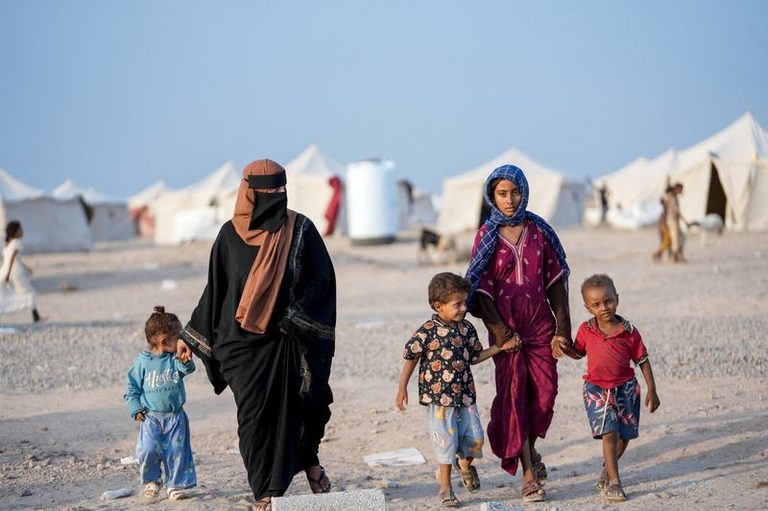
GENEVA — The United Nations World Food Programme (WFP) warned on Friday that Yemen is experiencing an unprecedented rise in food insecurity as renewed hostilities between Saudi‑backed forces and the Iran‑aligned Houthi movement intensify.
According to Matthew Hollingworth, the WFP’s Assistant Executive Director for Programme Operations, a “record number” of people in government‑controlled regions – where the agency can still deliver aid – are now unable to meet their basic food needs. He said three out of four households in these areas are forced to skip meals.
The conflict, described by the agency as the most serious escalation since a UN‑brokered truce in 2022, has already displaced tens of thousands of Yemenis. The fighting threatens to reshape control of key territories, including strategic points along the Red Sea shipping lanes and the Bab el‑Mandeb Strait.
WFP estimates that roughly ten million people reside in the government‑held zones it can access. The latest surge in hunger adds to an already dire humanitarian situation that has persisted for years, with millions dependent on aid for survival.
Humanitarian Impact
Hollingworth told reporters from Rome via video link that the “effect of this latest flare‑up of insecurity on the food security situation threatens to be absolutely devastating.” He emphasized that the rapid deterioration could push many more Yemenis into acute malnutrition and increase mortality rates, especially among children and the elderly.
International donors have responded with additional funding pledges, but the WFP cautioned that without a swift de‑escalation, aid deliveries could be further hampered, leaving more families without essential nutrition.
Regional Concerns
The renewed fighting raises broader security concerns for the region. Control of the Bab el‑Mandeb Strait, a vital chokepoint for global oil and trade shipments, could be jeopardized if hostilities expand, potentially affecting global markets and shipping costs.
Both Saudi Arabia and the Houthi leadership have exchanged accusations of violating the 2022 truce, with each side blaming the other for cross‑border attacks. The United Nations continues to call for an immediate cease‑fire and the resumption of diplomatic talks.
Looking Ahead
The WFP stressed that sustained international support and a durable political solution are essential to prevent a full‑scale humanitarian catastrophe. As the conflict unfolds, the agency will continue to monitor food security indicators and adjust its response accordingly.
For now, the focus remains on delivering life‑saving assistance to the most vulnerable populations while urging all parties to prioritize civilian protection and humanitarian access.
Original reporting: Appleton, WI News Feed (HLL/CB) — read the source article.