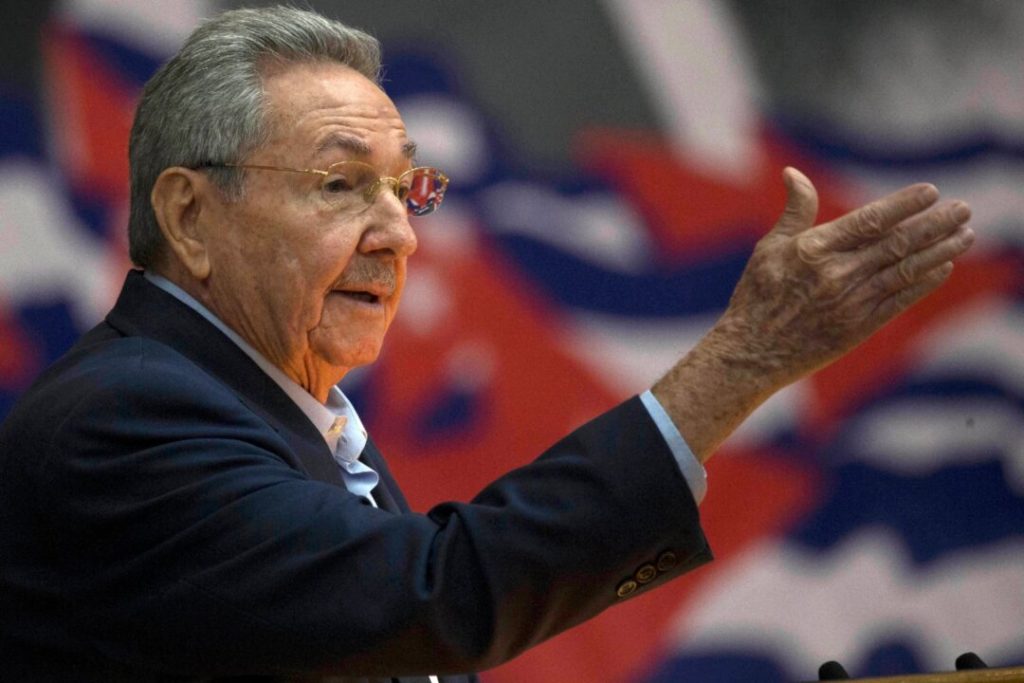
Raul Castro has been charged in connection with the 1996 killing of four people who were on a humanitarian mission, a development that reaches deep into Cuba’s past and touches ongoing debates in Washington and Miami. The allegation points back to a violent episode that still shapes how many Americans view the Castro regime and U.S.-Cuba relations. This article lays out the facts, the historical context, the legal and moral questions, and what this means for policy and accountability.
The basic claim is simple and stark: Raul Castro is now tied to a deadly decision from 1996 that cost four lives. That year left a mark on Cuban exile communities and on bipartisan calls for answers, and this charge revives those demands. From a Republican perspective, accountability matters and should not be delayed by diplomatic niceties.
The incident itself involved people on a mission described as humanitarian, and their deaths sent shockwaves through Cuban-American circles. Whether the plane was assisting migrants, delivering aid, or carrying out another task, the result was the same and unforgivable to many. This is about human life and the responsibilities of state actors when force is used.
For decades, the Castro regime operated with opacity and impunity, and this accusation reinforces that pattern in one of the clearest ways possible. Raul Castro has been a central figure in Cuba’s ruling apparatus for generations, and leadership carries consequences. Republicans argue that no leader should sit beyond the reach of justice simply because of politics or geography.
The legal pathways are complicated, but the principle is straightforward: when an act results in the death of noncombatants, someone must answer. International law and U.S. statutes offer different routes for accountability, and they can be slow. That slowness should not be mistaken for closure or for moral washing; families want facts and consequences, not delay.
This charge also lands in the middle of long-running policy debates in Washington. Some in the Biden administration have shown willingness to re-engage with Havana, but that engagement must be honest about past abuses. Republicans will insist that any normalization or negotiation includes accountability measures and protections for human rights.
The political dimension is immediate in areas with large Cuban-American populations, where memories of 1996 are still raw. Leaders in those communities demand answers and often oppose soft approaches to the regime in Havana. Elected officials who represent those voices ought to press for transparent investigations and clear consequences.
Beyond politics, there is a moral test here. Democracies should champion human dignity and the rule of law, and that includes making sure alleged state violence is investigated and prosecuted when warranted. If the charges against Raul Castro hold up under scrutiny, Americans who care about justice should support full transparency and legal follow-through.
Some will argue for pragmatic engagement with Cuba for strategic reasons, but pragmatism is not a blank check for impunity. U.S. policy can be smart and strategic while also insisting on accountability and the protection of civilians. That balance is exactly what voters expect and what principled leaders should demand.
This development puts a spotlight back on history and on the choices leaders make when they exercise force. It also forces a question on the table for Washington and for Havana: will there finally be a clear answer that honors the victims and upholds international norms? The answer will shape policy and memory for years to come.