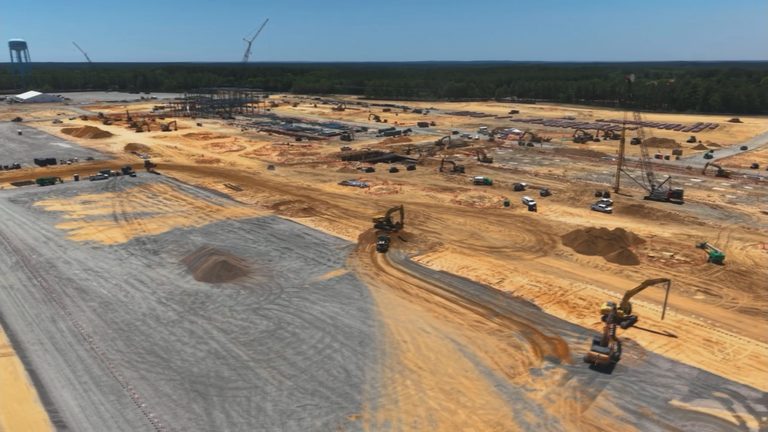
At a Tuesday city‑council meeting, a group of Raleigh homeowners urged officials to pause further data‑center construction until the community receives clear information about power, water and local impact. “What is this absence of transparency and the absence of democracy? We are the constituency,” resident Katie Boatner said.
Growing local opposition
Raleigh is now the largest North Carolina city without a formal data‑center moratorium, even as at least 47 municipalities statewide have adopted temporary pauses, according to analyst Frank Muraca. A recent Elon University poll found 53% of state adults would oppose a large data‑center in their community, up nine points since March.
In Raleigh, resident pressure already stopped one proposal. Beacon Partners withdrew a 100,000‑square‑foot plan on Jones Sausage Road after more than 30 people signed up to speak against it.
Industry response
Data‑center advocates are increasing advertising to counter the backlash. North Carolina Connects spent over $367,000 on billboards, TV and radio ads highlighting economic benefits, a campaign supported by the Data Center Coalition, which includes Amazon, Meta, Microsoft and Google.
Critics say the industry focuses more on persuading policymakers than informing neighbors. “They’re spending way more time making the case to policymakers and far less time convincing the people who have to live next door to their facilities,” said Evan Nierman, founder of crisis‑communications firm Red Banyan.
Amazon’s Richmond County example
Amazon’s $10 billion Richmond County project, codenamed Project Blue Marlin, proceeded under confidentiality agreements. County officials disclosed a “heavy industrial facility” with projected jobs but did not identify it as a data‑center until the June 2025 public announcement with Governor Josh Stein.
Local resident Courtney Stoddard described the process as a back‑door deal, noting the community learned of the project only after contracts were signed.
Calls for more openness
Industry leaders acknowledge some confidentiality is needed to protect land negotiations and security details. Anita Verma‑Lallian, founder of Arizona Land Consulting, urged developers to share enough information for residents to evaluate power, water, noise and traffic impacts before projects reach a vote.
Microsoft, building a data‑center in Person County, announced it will stop using nondisclosure agreements with local governments, aiming to strengthen public trust while still protecting trade secrets.
What’s next for Raleigh?
City leaders have not yet voted on a formal moratorium, but the growing resident coalition signals a demand for greater transparency and community involvement in future data‑center decisions.
Original reporting: WRAL Raleigh — read the source article.