Raleigh’s water reserves have rebounded from roughly 60% in June to about 79% in September, thanks to above‑average rainfall this summer. City leaders used the latest City Council work session to brief residents on the current status of the drinking‑water system, drought conditions, and the long‑term plan for public water resources.
Current supply outlook
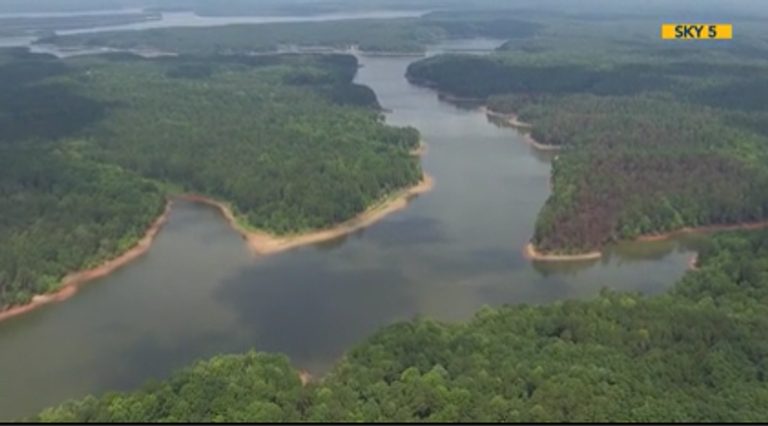
Ed Buchan, Assistant Director of Raleigh Water, told council members that the recent rains should refill the city’s water cycle over the next three to four months. Falls Lake, a key source for the region, rose about two feet at the end of July, and cooler weather is expected to bring additional precipitation.
The city’s water‑use benchmark in 2022 was 170 gallons per person per day. By 2030 the demand is projected to climb to 218 gallons per day, and officials anticipate the same level of usage by 2070 as the metropolitan area continues to grow.
Possible changes to the water‑shortage plan
With the reservoir levels now in the “green” zone—well above the 45% trigger that would activate drought restrictions—council members debated whether to adjust the existing water‑shortage plan. Topics under consideration included:
- Which water‑use exemptions should remain in place.
- Whether lawn‑irrigation limits should become permanent.
- Potential daily caps on household water consumption.
- Incentive programs for residents who voluntarily reduce usage.
Councilwoman Megan Patton emphasized the impact of non‑functional lawns, saying, “The more we can reduce non‑functional lawns, the better it is for all of us in the long term.” She also suggested providing homeowners with technology—such as smart meters—to monitor their daily water use.
Demand breakdown and regional partnership
Residential customers account for roughly 61% of Raleigh’s water consumption, while commercial and institutional users—including hospitals, offices, and schools—make up about 8%. Raleigh participates in the Triangle Water Supply Partnership, which draws water from Jordan Lake to serve the Triangle and surrounding counties.
Long‑term supply options
Raleigh Water presented several infrastructure projects aimed at sustaining the city’s growth through 2070:
- Lake Wheeler and Lake Benson upgrades: Installing crest gates could add an estimated 2.5 million gallons per day by better controlling releases.
- Kerr Lake draw: Potentially 38‑45 million gallons per day, though the project would be costly, require cooperation from Virginia, and raise carbon‑footprint concerns.
- Little River Reservoir: Could supply 12‑18 million gallons per day, but environmental reviews are needed for threatened species such as the dwarf wedgemussel and Neuse River waterdog.
- Neuse River intake: Offers 15‑45 million gallons per day, with the advantage that roughly 90% of withdrawn water would be returned through wastewater treatment.
Each option carries its own set of environmental, financial, and inter‑state coordination challenges. Buchan noted that the city is taking the ecological concerns seriously and will meet with the Division of Water Resources in October to discuss withdrawal permits and permitting timelines.
Next steps
The council will decide whether to amend the water‑shortage plan based on the presented data and community input. If a new plan is adopted, it could include stricter lawn‑irrigation rules, incentive programs for conservation, and a roadmap for the infrastructure projects outlined above.
Raleigh residents are encouraged to stay informed through city communications and to consider adopting water‑saving practices while the city works toward a resilient water future.
Original reporting: WRAL Raleigh — read the source article.