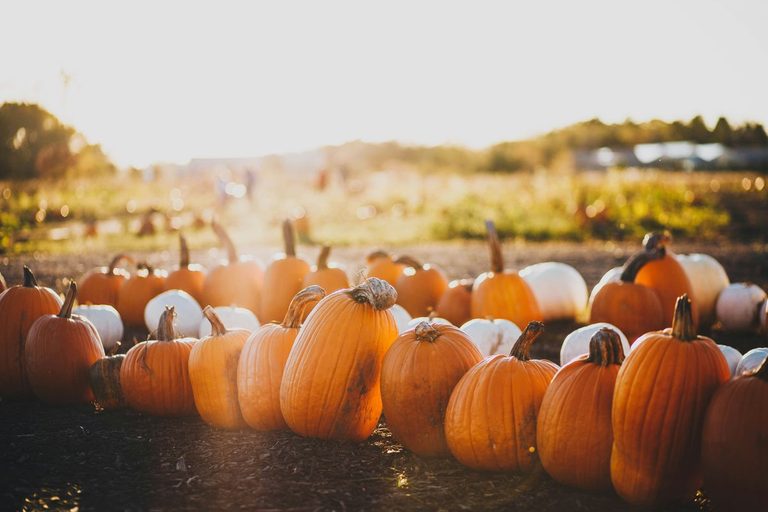
With Halloween just around the corner, Raleigh and Wake County officials are urging residents to give their pumpkins a second life instead of tossing them in the trash. The new free composting pilot, run by the city’s solid‑waste department in partnership with the North Carolina Department of Environmental Quality, provides a simple way for families to divert organic waste from the landfill.
Why compost pumpkins?
When pumpkins end up in a landfill, the lack of oxygen causes microbes to produce methane, a greenhouse gas that is about 80 times more potent than carbon dioxide over the first 20 years of its release, according to the United Nations Environment Programme. By contrast, managed composting supplies oxygen and moisture, allowing microbes to turn pumpkins and other food scraps into a nutrient‑rich soil amendment, reducing methane emissions and returning valuable nutrients to the ground.
Scale of the problem
Food waste makes up more than a quarter of the material discarded in Wake County, and pumpkins are a noticeable part of that seasonal surge. “You might have just one pumpkin on your porch, or maybe four or five,” said Bianca Howard, Wake County’s outreach and marketing supervisor for solid waste. “But collectively, we’re 1.25 million people in Wake County.” Nationally, the Department of Energy estimates that more than 1 billion pounds of pumpkins end up in landfills each year.
How to participate
Residents should bring pumpkins – even if they are rotten or moldy – to the Raleigh Yard Waste Center at 900 N. New Hope Road. The center is open Monday through Friday, 7 a.m.‑3 p.m., and Saturday, 7 a.m.‑1 p.m., and will accept pumpkins through Dec. 12. Plastic bags are not allowed in the compost bins; any bags used for transport should be emptied and recycled separately.
Wake County residents can also use designated food‑scrap collection carts at several locations, including the Convenience Center sites on Old Smithfield Road in Apex and Yates Mill Pond Road in Raleigh, the Deponie Drive site, and the Western Wake Farmers Market in Morrisville. Midtown Farmers Market in Raleigh also accepts pumpkins.
Durham offers additional drop‑off options, such as the November Pumpkin Drop program at Home Depot parking lots on Mount Moriah Road and N. Pointe Drive, as well as the Waste Disposal and Recycling Center on E. Club Blvd. Residents with a CompostHere app can locate food‑waste stations at City Hall and Southern Boundaries Park.
What happens to the compost?
After the pumpkins are processed, the resulting compost can be used by the city for public landscaping projects or purchased by residents and businesses. This not only reduces landfill pressure but also supports local soil health.
Community events
For those who prefer a more dramatic farewell, local groups are hosting pumpkin‑smash events. Botanist & Barrel in Cedar Grove will hold a free Great Pumpkin Smash Party on Nov. 1, and Greensboro’s Pumpkin Smash is scheduled for Nov. 7 at Lake Brandt. Both events invite participants to bring pumpkins for smashing, stomping, and composting.
Looking ahead
South Wake’s landfill is projected to fill between 2040 and 2045, and officials stress that every diversion helps extend its useful life. “The more we divert waste from this landfill, the longer we’re able to use it and buy us time to develop the best long‑term waste solutions,” Howard said.
By turning pumpkins into compost, Raleigh and Wake County are taking a practical step toward reducing methane emissions, preserving landfill capacity, and fostering a more sustainable community.
Original reporting: WRAL Raleigh — read the source article.