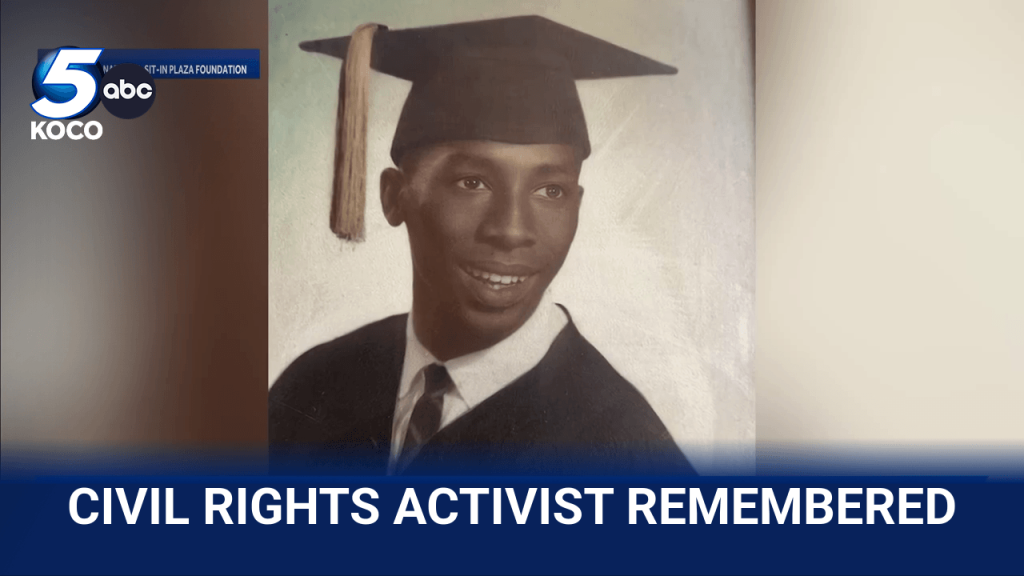
A public memorial service will gather in Sit-In Plaza in downtown Oklahoma City to honor Richard Brown, the civil rights activist and original participant in the Katz Drugstore sit-in. The event will recognize Brown’s role in a pivotal local protest and give the community a moment to acknowledge what he and his fellow demonstrators helped start. This article outlines the memorial, the historical thread that ties Brown to the Katz Drugstore action, and why the plaza itself has become a focal point for remembering that work in Oklahoma City.
The memorial at Sit-In Plaza is meant to be more than a ceremony; it’s a public nod to the courage it took to confront segregation in a small but powerful way. Richard Brown’s participation in the Katz Drugstore sit-in marked him as part of a local movement that mirrored nationwide efforts to push back against Jim Crow practices. Oklahoma City has its own chapter in that national story, and the plaza provides a physical place where memory meets the everyday flow of downtown life.
Sit-in protests like the Katz Drugstore action relied on steady, persistent presence at sites of exclusion. Richard Brown and others sat in spaces where service was denied, turning quiet, lawful persistence into a form of protest that attracted attention without violence. That tactic helped reshape public opinion by showing how ordinary people could insist on basic dignity through disciplined, nonviolent means.
For many residents, remembering the Katz Drugstore sit-in is also about teaching the next generation what civic courage looks like. The memorial service will offer a chance for families, students, and neighbors to gather and hear the story of Richard Brown in a setting linked to public life and public memory. Those personal narratives — the small acts of bravery and the friendships forged in struggle — are what make the history resonate beyond textbooks.
Urban spaces like Sit-In Plaza carry meaning when communities choose to use them for remembrance. Plazas become living galleries where plaques, names, and ceremonies turn concrete and benches into tools for collective remembrance. Holding a memorial in downtown Oklahoma City signals that this is civic memory meant for everyone who passes through, not just those already steeped in history.
The Katz Drugstore sit-in is often discussed in the broad sweep of civil rights history, but specific local actions matter. Richard Brown’s involvement is a reminder that movements are built out of local acts that compound into larger change. Honoring those local acts helps keep the story grounded in real places and real people, which in turn helps maintain the moral clarity of the original struggle.
Attendees at the memorial can expect a mix of reflection and public witness. Services like this typically include brief remarks, moments of silence, and opportunities for people to share memories or read statements that commemorate the life and commitment of someone like Richard Brown. The hope is that the service will be respectful, accessible, and a useful bridge between past and present civic life in Oklahoma City.
Even as time moves forward, the physical act of remembering in a public square underscores ongoing commitments to justice and inclusion. Sit-In Plaza will serve its purpose when people use it to mark not just what was won, but how it was won — through steady, patient courage. For those who come to honor Richard Brown, the plaza will be a place to witness the continuity of civic resolve in downtown Oklahoma City.