As communities gather to celebrate the Fourth of July, a Purdue University audiologist is urging the public to protect their ears from the hidden danger of holiday celebrations: immediate, irreversible hearing damage.
Understanding the Risks
Audiologists evaluate noise risk using decibels (dB). Under OSHA standards, the “action level” where employers must provide hearing protection is 85 dB, a volume a person can safely experience for eight hours. However, as the volume increases, the safe exposure window shrinks dramatically.
Fireworks easily shatter these limits, reaching anywhere from 150 to 170 dB at close range. At that intensity, safe exposure time drops to zero. “Any amount of time exposed to that level of sound can damage your hearing,” says Kelly Bailey, a clinical assistant professor of audiology at Purdue University.
Staying Safe
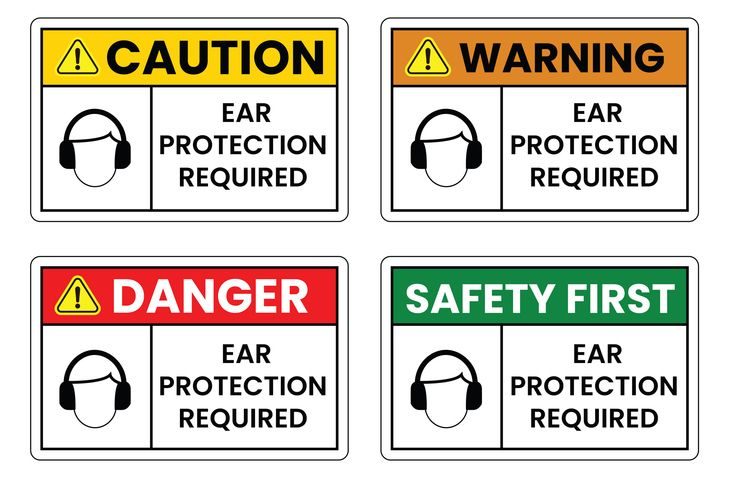
To stay safe, the American Speech-Language-Hearing Association (ASHA) recommends maintaining a distance of at least 500 feet from any fireworks launch site. For those watching closer or hosting backyard displays, physical protection is non-negotiable—especially for young children.
Fortunately, effective solutions are cheap and readily available. “There are lots of different cost-effective options for hearing protection, including foam earplugs and earmuffs,” says Bailey. She notes that if properly inserted, inexpensive foam earplugs offer excellent sound reduction in loud environments.
If you leave a fireworks display and notice a change in your hearing, your ears are signaling distress. Common symptoms of noise-induced trauma include a sense of muffled or clogged hearing, tinnitus (a persistent ringing or buzzing in the ears), and physical pain inside the ear canal.
While some symptoms may fade, they can indicate permanent injury. Bailey advises that anyone experiencing these symptoms for an extended period—several days to a few weeks—should immediately seek help from a doctor or an audiologist to test their hearing levels.
“Hearing is one of those senses that we can’t always get back if it’s damaged,” Bailey says. “Fortunately, noise-induced hearing loss from noise exposure is 100% preventable if the appropriate prevention steps are taken.”
Original reporting: 93.1 WIBC (Indianapolis) — read the source article.