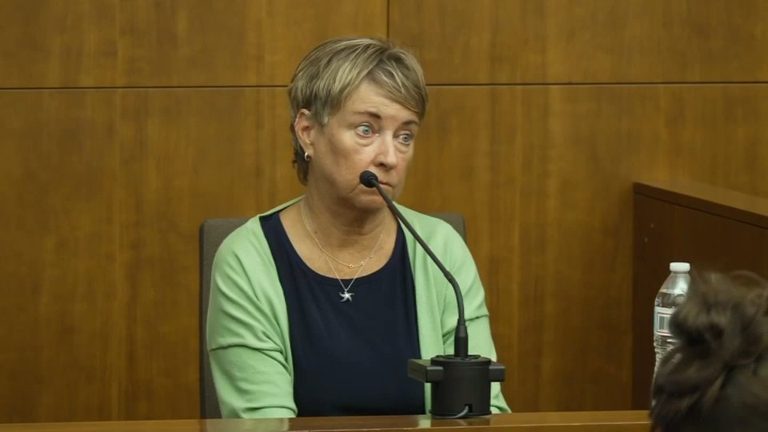
In the ongoing murder trial of Lindsay Clancy in Plymouth County, Massachusetts, a courtroom exchange involving the victim’s former mother‑in‑law sparked a strong reaction from observers. While the prosecution was cross‑examining Susan Clancy, the mother‑in‑law of the victims, the prosecutor asked, “Are you an active member in the Catholic Church?” and followed with, “So you’re aware that murder is considered a mortal sin?”
Clancy answered “Yes” to the first question but did not respond to the second. Defense attorney Kevin Reddington immediately objected, and Judge William Sullivan called a sidebar. After reviewing the objection, the judge struck the question from the record and instructed jurors not to consider it for any purpose.
Legal basis for the ruling
Legal analysts on local television explained that the question violated both state and federal evidentiary rules. Massachusetts Rule of Evidence 610, mirroring the federal rule, prohibits inquiries into a witness’s religious beliefs, practices, or affiliations when such information is not directly relevant to credibility. Michael Coyne, chief legal analyst for NBC10, noted that the question had no bearing on the facts of the case and was therefore impermissible on cross‑examination.
“You cannot ask a private citizen about their religious beliefs while under oath,” Coyne said. “It does not support the prosecution’s case and runs afoul of the First Amendment.”
Community reaction
The exchange drew gasps from the courtroom audience, including jurors. Sue O’Connell, a courtroom insider, described the moment as a “total train wreck,” adding that the prosecutor’s line of questioning appeared to infringe on constitutional protections for religious liberty. O’Connell emphasized that the victim’s family had already suffered the loss of three grandchildren, and that the prosecutor’s approach was “apoplectic” to many watching.
Plymouth County’s population is roughly 40 % Catholic, raising the question of whether jurors’ personal faith might influence their perception of the incident. Both analysts suggested that the judge’s swift action helped preserve the fairness of the trial by keeping the focus on factual evidence rather than religious doctrine.
Next steps in the trial
The defense is scheduled to continue presenting its case on Wednesday. The trial remains a focal point for the local community, which is closely following the proceedings through live blogs and livestreams provided by the news outlet.
Legal experts stress that the ruling reinforces the importance of respecting constitutional rights in courtroom settings, especially when a case involves deeply personal matters such as faith. The decision also serves as a reminder to prosecutors statewide that questions about religious belief must be carefully avoided unless directly relevant to a witness’s credibility.
Original reporting: NBC10 Boston — read the source article.