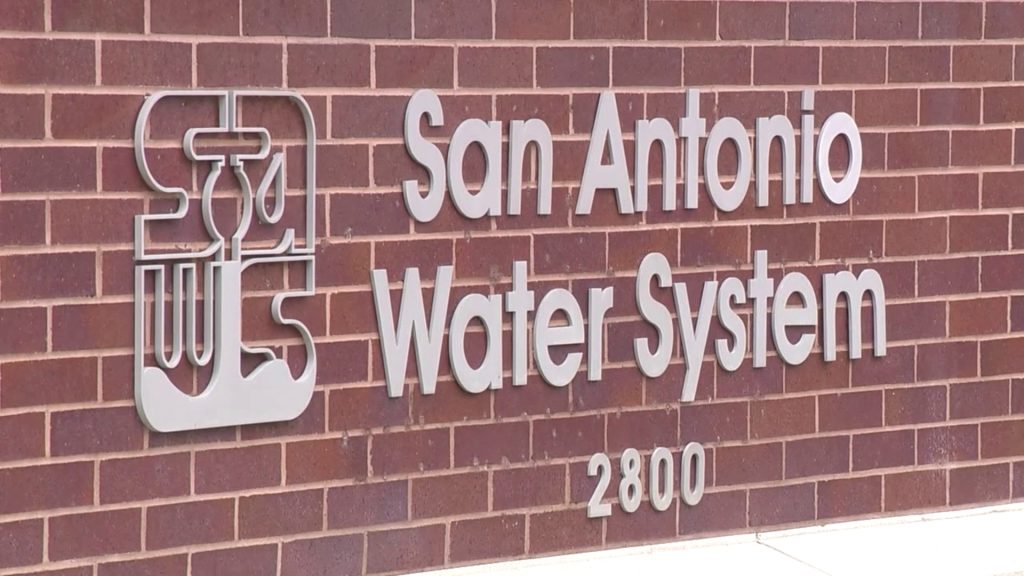
The San Antonio Water System board approved a multiyear rate plan that would raise bills over the next few years, and the San Antonio City Council is set to vote on the measure on June 11. District 7 Councilmember Marina Alderete Gavito has signaled opposition, residents like Fabiola Fernandez and Julio Encarnacion say households are strained, and council members Marc Whyte and Misty Spears joined Gavito in asking for an audit of SAWS finances. The debate centers on a roughly 32% increase SAWS says it needs to shore up wastewater treatment and replace aging pipes, while critics call for more oversight before consumers are charged more.
The SAWS board signed off on a roughly 32% increase that, according to material shared with council, would add about $4.47 to the average bill each year and total roughly $19 over four years. That multiyear approach is pitched as the cheapest path compared with steeper, immediate hikes, but the way the increase is phased still means families will see their bills grow. City Council will take up the proposal on June 11, and if it moves forward the first adjustment would begin around July 1 per SAWS notices.
Marina Alderete Gavito in District 7 has been clear she’s not sold on the current push and is leaning against the proposal as it stands. “Right now, I’m looking at voting no against the current SAWS rate increase,” Gavito said, signaling a willingness to block the plan without stronger assurances. Her stance has injected real uncertainty into the council vote and forced a closer look at how SAWS is spending and prioritizing its projects.
SAWS officials argue the extra revenue is necessary to maintain the city’s wastewater treatment systems and to fund proactive replacements so service stays dependable. Residents in several neighborhoods, though, say the money hasn’t always translated into reliable fixes at the local level and that leaks keep reappearing. “One of the things that we’ve been particularly frustrated with in District 7 is the amount of water leaks,” Gavito said. “SAWS is losing 16 and a half billion gallons of water. I know that we need to invest in SAWS infrastructure, but right now, I am not confident in the leadership or the plan that they’ve pushed to council.”
Beyond the infrastructure questions, Gavito pointed out the timing of the request, warning that San Antonio families are dealing with multiple pressures at once. “We’re talking about a proposed SAWS rate increase. We’re talking about a proposed city property tax increase. All the while, we’re all feeling the pinch at gas stations, at grocery stores,” Gavito said, laying out why some council members want to pause and demand more transparency. That line of thinking reflects a conservative, taxpayer-first posture: before asking people to pay more, show where the money will go and whether current spending can be tightened.
Homeowners and renters are already telling the same story in plain terms: budgets are thin and another steady rise in utilities won’t be easy to swallow. “So many people are living paycheck to paycheck and struggling,” Fabiola Fernandez said. “I am a single income household. I don’t rely on anybody else. It is just me and my daughter.” Those personal accounts are driving the political pressure because even modest monthly increases can force hard choices for families who have no slack left in their budgets.
Other residents pointed to visible, ongoing work in their neighborhoods that still hasn’t erased doubts about efficiency and planning, and that line of frustration keeps momentum behind calls for an audit. “A couple of weeks ago they were down the street trying to fix another pipe,” Fernandez said. “We’re battling inflation and cost of living, hikes in groceries, gas,” Encarnacion said, tying utility concerns to the broader squeeze on household finances. “It’s just another one in a series of increases that’s not going go over for consumers pretty well,” he said, voicing a sentiment shared across districts.
Gavito, joined by Marc Whyte and Misty Spears, formally requested an audit of SAWS finances to pin down how money is being managed and whether savings could be found before asking ratepayers to chip in more. SAWS, however, does not plan to conduct that audit until after the rate increase is approved, and that sequencing is a major part of the pushback. “We should have the results from that audit,” Gavito said. “We should look at how SAWS can be trimming.” The San Antonio City Council’s June 11 vote will decide whether the increases start around July 1 or whether the city presses pause to demand the financial clarity residents and some council members want.