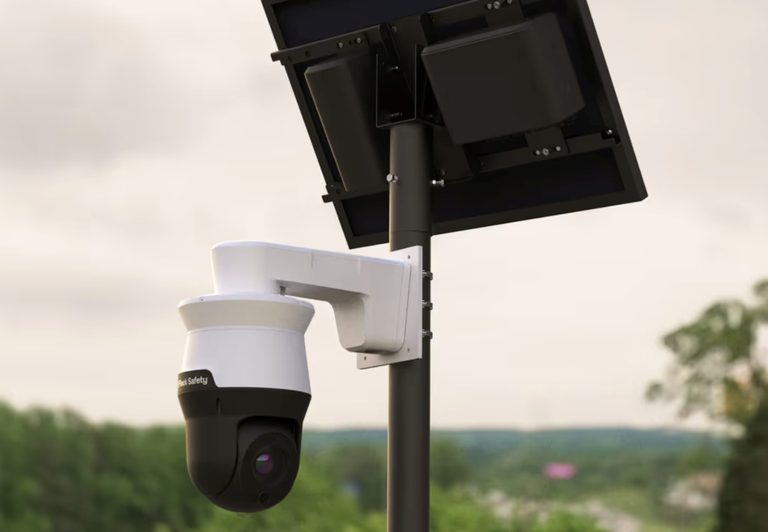
Princeton, Texas – Mayor Eugene Escobar Jr. announced on Facebook that he intends to request a pause on the city’s rollout of seven new Flock automated license‑plate cameras. The cameras arrived on Aug. 27, but the mayor says the council should reconsider moving forward until privacy questions are fully addressed.
Why the reconsideration?
Escobar explained that the city originally approved the cameras in June 2025 after they helped solve a local homicide case, allowing police to locate a suspect and the victim within hours. “At the time, we saw firsthand how this technology could be used as an effective public safety tool,” he said. “Since then, a lot more information has come to light about how these systems can be accessed, shared and potentially used by agencies outside of our community.”
Resident concerns
Local residents have raised worries about privacy, government overreach, and the possibility that data collected by the cameras could be used for purposes beyond the original public‑safety intent. Escobar echoed those concerns, emphasizing that his objections are not directed at the Princeton Police Department but at ensuring any technology deployed respects citizens’ privacy.
Wylie’s precedent
The discussion in Princeton follows a unanimous decision by the Wylie City Council on Aug. 25 to stop the automatic renewal of its own Flock contract. More than 700 Wylie residents signed a petition urging the city to reevaluate the system. Wylie has been paying roughly $27,000 a year for the service since August 2024. While the council voted to suspend the contract’s renewal set for Oct. 13, it has not ruled out a new agreement that could address privacy concerns.
What the cameras do
Flock cameras employ automated license‑plate recognition to photograph vehicles and collect data that can aid law‑enforcement investigations. Their use is growing among police departments, but the technology also sparks debate over surveillance, data sharing, and the potential for information to be accessed by agencies beyond the local community.
Next steps for Princeton
Escobar plans to present his recommendation to the council at the upcoming meeting. The council will decide whether to pause installation, renegotiate terms with Flock, or proceed with the cameras as originally approved. The outcome will shape how Princeton balances public‑safety benefits with the privacy rights of its families and neighbors.
Original reporting: Local Profile (DFW) — read the source article.