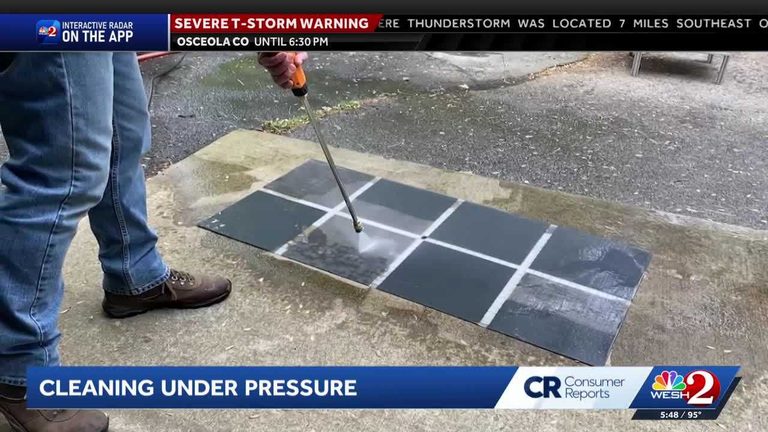
Pressure washers can remove years of grime in minutes, but they also pack enough power to damage wood, stone, metal or roofing if misused. Consumer Reports tested several models and found that even a narrow zero‑degree nozzle can strip paint from test panels, underscoring the need for caution.
What surfaces are safe?
Hard surfaces such as concrete driveways and walkways respond well to a pressure washer combined with detergent, especially for grease and mildew. Brick and stone should be treated carefully, as high pressure can etch or chip them.
Vinyl, fiber‑cement, and wooden clapboard siding can generally be cleaned safely, but aluminum may dent and roofing shingles can loosen, making roof cleaning risky. Climbing a ladder to spray a roof adds the danger of falls as well as potential shingle damage.
Wooden decks tolerate light pressure, but start with a wide spray pattern and test a hidden spot first. Composite decking often needs only a brush, a cleaner, and a garden hose—no high pressure required.
Choosing the right machine
When deciding between gas and electric models, consider frequency of use and job difficulty. Gas units typically deliver more power, making them suitable for occasional deep cleaning. Electric units are lighter, easier to operate, and work well for routine maintenance.
Consumer Reports suggests renting a gas‑powered washer for a one‑time heavy‑duty job, then purchasing an electric model for regular use. One recommended electric option is the Bauer 23142E‑B corded pressure washer, priced around $350, which proved capable on a variety of household surfaces.
Cleaning solutions
In testing, a Simple Green cleaner performed well at removing grease and mildew while being less toxic than many alternatives. Pairing the right cleaner with the appropriate pressure setting helps protect surfaces and the environment.
Safety precautions
Never point a pressure washer at people, pets, or yourself. The concentrated stream can cause serious injury, especially when using a zero‑degree nozzle. Always wear closed‑toe shoes, eye protection, and hearing protection while operating the equipment.
Before beginning any project, read the manufacturer’s instructions, test a small hidden area, and adjust the pressure to the lowest effective setting. With these steps, homeowners can enjoy a clean exterior without risking costly damage.
Original reporting: WESH Orlando — read the source article.